What this guide helps you decide
Use the article to prepare questions, compare public listing details, and avoid choosing a campground from one headline, rating, or search result alone.
- 1. Understanding Wet Weather Campfire Challenges
- 2. Gathering the Right Materials
- 3. Creating a Dry Base
- Confirm seasonal access, amenities, fees, reservation rules, and availability with the campground.
- Compare more than one listing when the decision affects safety, cost, or travel time.
- Use public ratings and photos as signals, not guarantees.
- understanding-wet-weather-campfire-challenges
- gathering-the-right-materials
- creating-a-dry-base
- choosing-the-right-fire-structure
- igniting-and-maintaining-the-fire
- real-stories-from-the-rain
- trustworthy-tools-from-camp-spotter
1. Understanding Wet Weather Campfire Challenges
1.1 Why It’s Not Just About the Rain
Building a campfire in wet weather isn't simply about dealing with falling rain—it’s about navigating soaked ground, damp firewood, and high humidity. These factors can smother a weak flame before it ever takes hold. Moisture seeps into everything, making traditional fire-starting techniques nearly useless without adaptation.
1.2 Psychological Impact
Anyone who’s camped in constant drizzle knows the frustration. A warm fire isn’t just functional—it’s moral support when the cold sets in. Learning how to build a fire under these conditions boosts confidence and comfort in the outdoors.
2. Gathering the Right Materials
2.1 Dry Tinder Is Non-Negotiable
Look under overhangs, inside logs, or in the center of fallen branches for dry material. Birch bark, cotton balls soaked in petroleum jelly, or dryer lint sealed in plastic bags make excellent waterproof tinder if packed ahead of time.
2.2 Kindling Strategy
Use a knife to shave the inner dry wood from damp branches. Feather sticks—where you curl wood shavings in-place—catch fire easier and are a staple of bushcraft fire-starting.
2.3 Fuel Wood
Split wet logs to expose their dry cores. Softwoods like pine can burn faster but may sputter if not dry; hardwoods provide longer burn but need better ignition support.
3. Creating a Dry Base
3.1 The Layer Between Fire and Earth
When building a campfire in wet weather, avoid direct contact with soaked ground. Use large pieces of bark, stones, or even a layer of thick, dry sticks to raise your fire off the ground. This prevents the fire from drawing in moisture from below.
3.2 Containment and Elevation
Stacking a fire ring of rocks or logs can provide shelter from wind and rain while giving you a more controlled burn zone. Digging a shallow trench to drain water away also helps keep your fire site from flooding.
4. Choosing the Right Fire Structure
4.1 Lean-To Fire
This method shelters your tinder beneath a larger log or stick setup, allowing wind to pass through while rain is diverted away. It’s ideal when rain is light but persistent.
4.2 Upside-Down Fire
Stack larger logs at the bottom, then add layers of kindling and tinder on top. As the fire burns down, it ignites the fuel below—keeping the burning core elevated and protected from moisture at the base.
4.3 Log Cabin Style
A square-stacked structure helps airflow and maintains shape even in wind. If you have semi-dry logs and decent tinder, this design allows heat to radiate through efficiently.
5. Igniting and Maintaining the Fire
5.1 Best Ignition Tools for Wet Conditions
Waterproof matches and butane lighters are helpful, but a quality ferro rod is the real hero—it sparks even when wet. Combined with fire starters like fatwood or waxed cotton, ignition becomes reliable despite dampness.
5.2 Shelter Your Flame
Use your body, gear, or a tarp to shield the fire during ignition. Once it takes, slowly feed it with progressively larger dry wood. Don’t smother it too early—let the coal base establish first.
5.3 Watch for Steam, Not Smoke
Wet wood releases steam before it burns. If your fire’s struggling and you're seeing more white steam than grey smoke, give it more time and airflow before adding fuel.
6. Real Stories from the Rain
6.1 Jake’s Pacific Northwest Experience
“It rained for 48 hours straight. My feet were soaked, my sleeping bag was damp, but getting a fire going with birch bark and fatwood saved our morale—and probably our trip.”
6.2 Lana’s Failed Start and Comeback
“We couldn’t get a spark to last. Everything was drenched. Luckily, I had a fire kit packed in a drybag and remembered a trick I read on Camp Spotter. A lean-to build and feather sticks did the trick.”
7. Trustworthy Tools from Camp Spotter
When the weather turns and the skies open up, preparation is your best friend. At Camp Spotter, we curate weather-proof fire-starting kits, shelter systems, and bushcraft-approved gear to help you build the perfect campfire—even in soggy terrain. Whether you’re in a drizzle or downpour, we've got what you need to keep the flames going.
Related Camping Guides
Keep reading if you are comparing destinations, amenities, access, reservation questions, or listing quality.
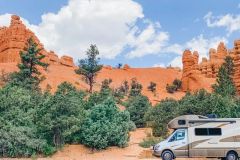 How to Plan an RV Road Trip Through the Southwest U.S.Learn how to plan an RV road trip through the Southwest U.S. with route ideas, camping advice, packing tips, safety planning, and expert travel strategies for an unforgettable adventure.
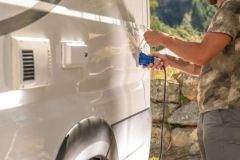 RV Essentials You Should Always Keep OnboardDiscover the RV essentials you should always keep onboard for safer and more comfortable trips. Learn which tools, supplies, and accessories every RV owner needs before hitting the road.
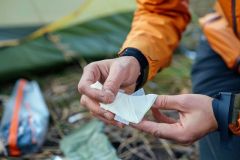 Essential First Aid Tips Every Camper Should KnowLearn essential first aid tips every camper should know, including injury prevention, emergency response steps, first aid kit preparation, and outdoor safety advice for every adventure.
 Campfire Coffee Brewing Methods Every Camper Should TryDiscover the best Campfire Coffee brewing methods for campers, from classic cowboy coffee to pour-over techniques, with expert tips for making great coffee outdoors.
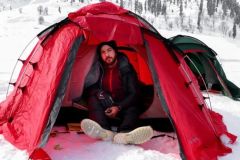 How to Maintain Comfort While Dry Camping in Cold WeatherLearn how to maintain comfort while dry camping in cold weather with practical insulation tips, gear strategies, real camping stories, and expert advice for safe winter outdoor adventures.
 Campfire Desserts Beyond S’mores: Easy Outdoor Treat IdeasDiscover creative Campfire Desserts That Go Beyond S’mores with easy, fun, and delicious outdoor recipes perfect for family camping nights and unforgettable fire pit moments.