What this guide helps you decide
Use the article to prepare questions, compare public listing details, and avoid choosing a campground from one headline, rating, or search result alone.
- 1. Why Campfire Safety Matters in Every Trip
- 2. Choosing the Right Campfire Location
- 3. Building a Safe Campfire Structure
- Confirm seasonal access, amenities, fees, reservation rules, and availability with the campground.
- Compare more than one listing when the decision affects safety, cost, or travel time.
- Use public ratings and photos as signals, not guarantees.
- why-campfire-safety-matters-in-every-trip
- choosing-the-right-campfire-location
- building-a-safe-campfire-structure
- managing-the-fire-and-monitoring-it-safely
- extinguishing-the-fire-correctly
- real-life-lessons-from-campfire-incidents
- gear-you-can-trust-from-camp-spotter
1. Why Campfire Safety Matters in Every Trip
Campfires are at the heart of many camping traditions—from warming cold hands on chilly nights to roasting marshmallows under the stars. But even a small, unattended flame can turn into a catastrophic wildfire. Understanding proper campfire safety tips every camper should know isn’t just about personal protection—it’s about preserving nature, respecting other campers, and ensuring fire bans are unnecessary in the future.
2. Choosing the Right Campfire Location
2.1 Follow Site Guidelines
Always use designated fire rings or pits if provided. Campgrounds are designed with fire safety in mind, and using these spots minimizes the risk of the fire spreading. If you’re in the backcountry, select a site at least 15 feet away from tents, trees, and low-hanging branches.
2.2 Check the Weather and Fire Risk
Dry, windy conditions can turn a safe campfire into an uncontrollable hazard. Always check the local fire danger level before starting a fire. In high-risk zones, fire bans may be in effect. When in doubt, don’t strike the match.
3. Building a Safe Campfire Structure
3.1 Use Safe Fire Rings or Dig Proper Pits
Clear the area of any dry grass, leaves, or pine needles. Create a boundary with rocks if no fire ring is present. The pit should be deep enough to contain embers but not so deep that oxygen can’t circulate.
3.2 Choose the Right Materials
Use only dry, seasoned wood. Avoid burning trash, plastic, or chemically treated lumber, which can release toxic fumes. Kindling should be small sticks or natural tinder like dried bark. Never use gasoline or lighter fluid to start a fire.
4. Managing the Fire and Monitoring It Safely
4.1 Keep the Fire Contained
A safe fire is a small fire. Flames should never reach more than a foot high. Large, roaring campfires may look cool in photos but are much harder to control and extinguish. Always keep water or a fire extinguisher within reach.
4.2 Never Leave It Unattended
This may sound obvious, but it’s the #1 rule broken. If you walk away—even for a minute—ensure someone else is watching it. Sparks and embers can ignite nearby materials quickly.
5. Extinguishing the Fire Correctly
5.1 Use the Soak, Stir, and Feel Method
When you’re done with your fire, drown it with water, stir the ashes with a stick, then feel the area to make sure it’s cool to the touch. Don’t leave until it’s completely cold. Hot embers can smolder for hours and reignite.
5.2 Scatter Ashes Safely (If Necessary)
In some wilderness areas, scattering cool ashes is acceptable if there’s no fire ring. Make sure the ashes are 100% cold, and avoid doing this in dry grass or near flammable materials.
6. Real-Life Lessons from Campfire Incidents
In 2020, a popular hiking spot in California was closed for weeks after a careless campfire sparked a wildfire that burned over 8,000 acres. A group of campers had walked away from what they thought was a “dying” fire. No water was used—just dirt. That moment of neglect cost millions in damages and destroyed habitats. Don’t be that camper.
7. Gear You Can Trust from Camp Spotter
Whether you're looking for a collapsible fire ring, spark-proof blankets, or reliable fire-starting kits, Camp Spotter offers well-reviewed, safety-conscious products made for campers who care about both adventure and responsibility. Don’t gamble with safety—equip yourself right.
Related Camping Guides
Keep reading if you are comparing destinations, amenities, access, reservation questions, or listing quality.
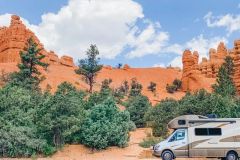 How to Plan an RV Road Trip Through the Southwest U.S.Learn how to plan an RV road trip through the Southwest U.S. with route ideas, camping advice, packing tips, safety planning, and expert travel strategies for an unforgettable adventure.
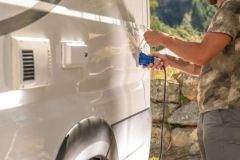 RV Essentials You Should Always Keep OnboardDiscover the RV essentials you should always keep onboard for safer and more comfortable trips. Learn which tools, supplies, and accessories every RV owner needs before hitting the road.
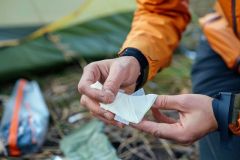 Essential First Aid Tips Every Camper Should KnowLearn essential first aid tips every camper should know, including injury prevention, emergency response steps, first aid kit preparation, and outdoor safety advice for every adventure.
 Campfire Coffee Brewing Methods Every Camper Should TryDiscover the best Campfire Coffee brewing methods for campers, from classic cowboy coffee to pour-over techniques, with expert tips for making great coffee outdoors.
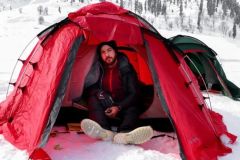 How to Maintain Comfort While Dry Camping in Cold WeatherLearn how to maintain comfort while dry camping in cold weather with practical insulation tips, gear strategies, real camping stories, and expert advice for safe winter outdoor adventures.
 Campfire Desserts Beyond S’mores: Easy Outdoor Treat IdeasDiscover creative Campfire Desserts That Go Beyond S’mores with easy, fun, and delicious outdoor recipes perfect for family camping nights and unforgettable fire pit moments.