What this guide helps you decide
Use the article to prepare questions, compare public listing details, and avoid choosing a campground from one headline, rating, or search result alone.
- Best Winter Camping Spots for Snowshoeing
- 1 - What to Consider When Camping in Winter
- 2 - Top Destinations for Snowshoeing
- Confirm seasonal access, amenities, fees, reservation rules, and availability with the campground.
- Compare more than one listing when the decision affects safety, cost, or travel time.
- Use public ratings and photos as signals, not guarantees.
Best Winter Camping Spots for Snowshoeing
- 1 - What to Consider When Camping in Winter
- 2 - Top Destinations for Snowshoeing
- 3 - How to Prepare for Winter Camping
- 4 - Tips for Snowshoeing in Winter
If you're a fan of winter adventures and love the beauty of snow-covered landscapes, winter camping combined with snowshoeing is the perfect way to enjoy the season. There’s something magical about trekking through untouched snowy forests, breathing in the crisp air, and marveling at the peacefulness of winter. But, with so many fantastic locations for winter camping, it can be difficult to decide where to go. In this article, we’ll highlight the best winter camping spots for snowshoeing, provide essential tips for snowshoeing, and explain how to properly prepare for your winter camping trip.
1 - What to Consider When Camping in Winter
Before heading out for a winter camping adventure, it's important to consider a few factors to ensure your safety and enjoyment:
- Temperature and Weather: Winter weather can be unpredictable, so always check the weather forecast before heading out. Be prepared for extreme cold and possible storms.
- Camping Gear: Make sure you have high-quality, cold-weather camping gear, including a four-season tent, sleeping bag rated for low temperatures, and warm clothing layers.
- Safety and Navigation: Snowshoeing in winter requires proper navigation skills. Consider bringing a map, compass, or GPS device to avoid getting lost, especially in remote locations.
- Accessibility: Some winter camping spots may be difficult to access due to snow or ice. Check for road closures or restricted access before setting out.
2 - Top Destinations for Snowshoeing
Now, let’s dive into the best winter camping spots for snowshoeing. Here are some fantastic locations to consider for your next snowy adventure:
- Yellowstone National Park, Wyoming: Known for its geothermal features and stunning winter landscapes, Yellowstone offers some of the best snowshoeing trails in the country. The park’s peaceful atmosphere and wildlife sightings make it a top choice for winter camping.
- Glacier National Park, Montana: Glacier National Park is a winter wonderland, offering miles of snowshoeing trails and breathtaking views. The park’s rugged terrain and towering mountains provide a true winter adventure experience.
- Acadia National Park, Maine: If you’re looking for a mix of coastal beauty and snowshoeing trails, Acadia is an excellent destination. Winter hiking and snowshoeing along the park's scenic cliffs and quiet lakes are a must-do.
- Rocky Mountain National Park, Colorado: With its towering peaks, snow-covered forests, and miles of backcountry trails, Rocky Mountain National Park is ideal for winter camping and snowshoeing. The park offers both easy and challenging snowshoeing routes for all levels.
- Mount Hood National Forest, Oregon: This beautiful forest area offers ample opportunities for snowshoeing through pristine forests and alpine meadows, with Mount Hood providing a majestic backdrop. The area is known for its snow coverage throughout the winter.
3 - How to Prepare for Winter Camping
Winter camping requires careful preparation to stay safe and comfortable in the cold. Here’s how to prepare for your winter adventure:
- Layer Your Clothing: Wear moisture-wicking base layers, warm insulating layers, and a waterproof outer layer. Don't forget gloves, a hat, and a scarf to protect your extremities from the cold.
- Invest in Quality Gear: A high-quality winter tent is a must for cold-weather camping. Make sure it’s designed for heavy snow loads and strong winds. Choose a sleeping bag rated for the cold temperatures you’ll face.
- Bring Extra Supplies: Make sure to bring extra fuel for your stove, as well as backup batteries, food, and water. Winter camping can be unpredictable, so it's essential to have enough supplies in case of an emergency.
- Know How to Start a Fire: Starting a fire in winter conditions can be challenging, so practice fire-starting techniques before heading out. Waterproof matches and fire starters are essential tools to have.
4 - Tips for Snowshoeing in Winter
Snowshoeing is a fantastic way to explore winter landscapes, but it requires some special techniques. Here are some tips to ensure a safe and enjoyable snowshoeing experience:
- Stay on Marked Trails: Snowshoeing in unfamiliar terrain can be challenging. Stick to marked trails to avoid getting lost and ensure that you're following the safest routes.
- Walk with Your Legs Wide: Snowshoes can feel bulky, so it’s important to walk with your legs slightly wider apart to avoid tripping on the edges of your shoes.
- Take Small Steps: Taking small, steady steps helps you maintain your balance and control over the snowshoes, especially on uneven terrain or deeper snow.
- Dress in Layers: Keep an eye on your body temperature while snowshoeing. If you start to sweat, remove a layer to avoid getting cold later on. Always have a warm layer to put back on after stopping.
Winter camping and snowshoeing provide incredible experiences, whether you're enjoying scenic views, challenging yourself with difficult trails, or simply spending time in nature. For the best camping gear, clothing, and expert advice, check out Camp Spotter to ensure a successful winter adventure.
Related Camping Guides
Keep reading if you are comparing destinations, amenities, access, reservation questions, or listing quality.
 How to Plan an RV Road Trip Through the Southwest U.S.Learn how to plan an RV road trip through the Southwest U.S. with route ideas, camping advice, packing tips, safety planning, and expert travel strategies for an unforgettable adventure.
 RV Essentials You Should Always Keep OnboardDiscover the RV essentials you should always keep onboard for safer and more comfortable trips. Learn which tools, supplies, and accessories every RV owner needs before hitting the road.
 Essential First Aid Tips Every Camper Should KnowLearn essential first aid tips every camper should know, including injury prevention, emergency response steps, first aid kit preparation, and outdoor safety advice for every adventure.
 Campfire Coffee Brewing Methods Every Camper Should TryDiscover the best Campfire Coffee brewing methods for campers, from classic cowboy coffee to pour-over techniques, with expert tips for making great coffee outdoors.
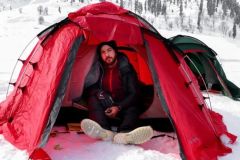 How to Maintain Comfort While Dry Camping in Cold WeatherLearn how to maintain comfort while dry camping in cold weather with practical insulation tips, gear strategies, real camping stories, and expert advice for safe winter outdoor adventures.
 Campfire Desserts Beyond S’mores: Easy Outdoor Treat IdeasDiscover creative Campfire Desserts That Go Beyond S’mores with easy, fun, and delicious outdoor recipes perfect for family camping nights and unforgettable fire pit moments.