What this guide helps you decide
Use the article to prepare questions, compare public listing details, and avoid choosing a campground from one headline, rating, or search result alone.
- Tent Guyline Setup: Visibility, Tension, and Trip Hazards
- Quick answer
- Understand tent guyline setup at a campsite
- Confirm seasonal access, amenities, fees, reservation rules, and availability with the campground.
- Compare more than one listing when the decision affects safety, cost, or travel time.
- Use public ratings and photos as signals, not guarantees.
Tent Guyline Setup: Visibility, Tension, and Trip Hazards
On this page
Quick answer
tent guyline setup at a campsite is easiest to manage when you define the goal, verify the relevant details, and set clear stop conditions before acting. Route, tension, mark, and recheck guylines so the tent performs as designed without creating avoidable trip hazards or damaging the site. Start with current instructions and observable facts, use a written checklist, and ask a qualified professional when the safe choice depends on technical, medical, legal, or site-specific judgment.
Understand tent guyline setup at a campsite
For this guide, tent guyline setup at a campsite means a deliberate process for a specific situation rather than a promise of one universal answer. The relevant details can change with equipment, venue, provider, product, weather, health, local rules, and individual needs. Separate what you can observe from what requires measurement, records, or professional judgment.
This article is for readers in United States who want a practical starting point. It is not a substitute for current manufacturer instructions, venue rules, public guidance, contracts, or advice from a qualified professional who can assess the actual situation.
Guyline setup checklist
- Check current weather, land-manager rules, closures, fire restrictions, and route conditions.
- Match the plan to the least experienced participant, daylight, fitness, terrain, and a realistic turnaround time.
- Inspect critical gear before leaving and carry an independent backup for navigation, light, water, and communication where appropriate.
- Tell a reliable contact the route, timing, vehicle, participants, and overdue-response plan.
- Separate convenience items from safety-critical equipment and know how to use everything you carry.
- Set clear stop conditions for weather, injury, fatigue, water, visibility, equipment failure, and changing terrain.
- Leave the area as required, protect wildlife, and pack out waste.
Pitch and adjust guylines
- Define the trip and identify the main hazards for the place, season, and activity.
- Check authoritative forecasts, alerts, maps, and local rules close to departure.
- Pack and inspect in categories: shelter, water, food, clothing, navigation, light, first aid, repair, and communication.
- Test the plan in a low-risk setting and make sure each participant understands key procedures.
- Reassess at the trailhead or site; change or cancel when assumptions no longer hold.
- During the trip, monitor time, weather, people, supplies, and exit options rather than waiting for a crisis.
Keep a short record for tent guyline setup at a campsite: date, observed condition, decisions, questions, responsible person, due date, and outcome. Photos or receipts can support the record when appropriate, but store personal, property, or account information securely.
Anchor and weather limits
Outdoor conditions can change quickly, and a checklist cannot make an unsafe trip safe. Skills, permits, equipment, and emergency access vary by location. Turn back early and seek ranger, emergency, or qualified professional help when risk exceeds the group's preparation.
Stop and seek prompt help when tent guyline setup at a campsite involves an immediate hazard, loss of safe control, worsening damage, injury, fire, smoke, strong odour, or a condition outside the instructions and your competence. Use emergency services when people may be in immediate danger.
Tent guyline questions
What should I check first for tent guyline setup at a campsite?
Start with the immediate safety or suitability question, then verify current instructions, condition, scope, timing, and who is responsible.
When is the lowest price not the best choice?
When it changes scope, quality, safety, access, support, or total cost. Compare like with like and document exclusions.
Can online reviews answer the decision?
Reviews can reveal questions to ask, but they may be incomplete, outdated, or unrelated to your exact need. Verify important facts directly.
What if the information conflicts?
Pause and ask the responsible provider, manufacturer, venue, authority, or qualified professional to clarify in writing when possible.
What should I save afterward?
Keep the final instructions, receipt or agreement, relevant photos, results, warranty or follow-up details, and unresolved actions.
Tent and campground evidence
Use current primary information for tent guyline setup at a campsite: manufacturer instructions, the responsible venue or provider, written agreements, local authorities, and qualified professionals. Verify details for United States and the specific date because rules, availability, prices, and operating conditions can change.
Recheck the pitch before weather changes
Turn tent guyline setup at a campsite into a short sequence: define the goal, verify the critical facts, prepare safely, act within clear limits, and record the outcome. Route, tension, mark, and recheck guylines so the tent performs as designed without creating avoidable trip hazards or damaging the site. If an important fact remains uncertain, pause before committing time, money, access, or safety.
Related Camping Guides
Keep reading if you are comparing destinations, amenities, access, reservation questions, or listing quality.
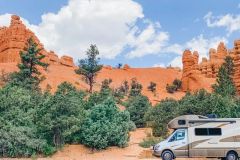 How to Plan an RV Road Trip Through the Southwest U.S.Learn how to plan an RV road trip through the Southwest U.S. with route ideas, camping advice, packing tips, safety planning, and expert travel strategies for an unforgettable adventure.
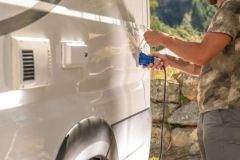 RV Essentials You Should Always Keep OnboardDiscover the RV essentials you should always keep onboard for safer and more comfortable trips. Learn which tools, supplies, and accessories every RV owner needs before hitting the road.
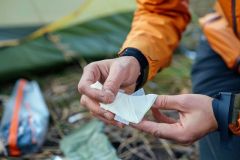 Essential First Aid Tips Every Camper Should KnowLearn essential first aid tips every camper should know, including injury prevention, emergency response steps, first aid kit preparation, and outdoor safety advice for every adventure.
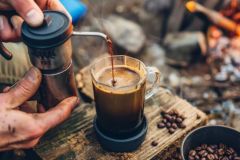 Campfire Coffee Brewing Methods Every Camper Should TryDiscover the best Campfire Coffee brewing methods for campers, from classic cowboy coffee to pour-over techniques, with expert tips for making great coffee outdoors.
 How to Maintain Comfort While Dry Camping in Cold WeatherLearn how to maintain comfort while dry camping in cold weather with practical insulation tips, gear strategies, real camping stories, and expert advice for safe winter outdoor adventures.
 Campfire Desserts Beyond S’mores: Easy Outdoor Treat IdeasDiscover creative Campfire Desserts That Go Beyond S’mores with easy, fun, and delicious outdoor recipes perfect for family camping nights and unforgettable fire pit moments.