What this guide helps you decide
Use the article to prepare questions, compare public listing details, and avoid choosing a campground from one headline, rating, or search result alone.
- Sleeping Bag Temperature Ratings: Choose With a Margin
- Quick answer
- What the rating terms mean
- Confirm seasonal access, amenities, fees, reservation rules, and availability with the campground.
- Compare more than one listing when the decision affects safety, cost, or travel time.
- Use public ratings and photos as signals, not guarantees.
Sleeping Bag Temperature Ratings: Choose With a Margin
On this page
Quick answer
Choose a sleeping bag from the coldest realistic nighttime temperature, then add a safety and comfort margin. For many shoppers, the standardized comfort rating is the more useful starting point than the lower limit. Match it with an adequately insulated sleeping pad, dry sleep clothing, shelter, and a forecast contingency. Never treat the “extreme” number as a comfortable camping temperature.
This guide is for adult recreational camping in the United States. It does not apply directly to infants, children, military systems, or extreme expeditions. Cold tolerance, medical risk, weather, shelter, moisture, altitude, food, fatigue, and equipment condition can change the outcome.
What the rating terms mean
A sleeping bag temperature rating is a laboratory-based performance reference, not a promise that every person will be comfortable at that air temperature. Look for a test standard and multiple values rather than a single marketing number.
- Comfort: a range associated with a standard sleeper who is relaxed and not feeling cold. This is generally the conservative number for people who sleep cold.
- Limit: a lower temperature associated with a standard sleeper curled to conserve heat while still able to sleep. It is commonly used as the headline rating on some products.
- Extreme: a survival-risk reference, not a comfort rating and not a normal planning target. Cold injury remains possible.
- Transition range: the space between comfort and limit, where individual physiology and the sleep system strongly affect comfort.
Labels differ. Some U.S. products show an “EN” or “ISO” rating, some state only a lower limit, and some use a brand estimate. Ask which number is advertised and what current standard was used. Compare like with like.
ISO 23537-1:2022 specifies thermal testing and labeling provisions for adult recreational sleeping bags with limit temperatures at or above −20°C. ISO notes that it does not apply to children, babies, military bags, or extreme-climate expedition bags.
Why sleepers feel different
Two people in the same bag at the same campsite can report very different comfort. Relevant factors include:
- usual cold sensitivity and differences represented by the comfort and limit reference models;
- metabolism, body size, age, circulation, health conditions, and medication;
- fatigue, hydration, and adequate food;
- dry versus damp skin, hair, clothing, bag insulation, and air;
- wind exposure, shelter ventilation, humidity, and elevation;
- sleeping position and whether the bag fits without compressing insulation;
- the insulation beneath the sleeper; and
- whether the bag is clean, fully lofted, and undamaged.
Use your own history. If you were cold in a bag under known conditions, record the forecast low, actual thermometer reading if available, pad insulation, clothing, shelter, wind, moisture, and meal timing. That field record is more useful than assuming the same label will feel different next time.
The sleeping pad is part of the system
Insulation under your body is compressed inside a sleeping bag and provides much less resistance to heat loss. The sleeping pad supplies most of the ground insulation. A warm bag on an under-insulated pad can still feel cold.
Compare pads using standardized R-values when available. Higher R-value means greater resistance to heat flow. For cold conditions, some campers stack compatible pads, but the combined system must remain stable, dry, and suitable for the terrain. A damaged inflatable pad can sharply reduce insulation, so carry an appropriate repair method and consider redundancy when failure would be serious.
The test rating of a bag assumes a defined setup; your tent floor, cot, hammock, vehicle platform, or snow surface may behave differently. Hammocks need insulation underneath because moving air removes heat and body weight compresses the bag.
How to choose a rating step by step
- Find realistic lows. Check current official forecasts close to departure and historical normals for planning, then consider elevation, valley cold pockets, seasonal fronts, and the campsite’s exposure.
- Choose the right label value. Start with the comfort number if you sleep cold or prioritize restful sleep. Warm sleepers may use the limit number as a comparison point, but still need margin.
- Add a margin. Select a bag rated colder than the expected low. The margin should grow when forecasts are uncertain, trips are remote, gear may get damp, or retreat is difficult.
- Match the pad. Choose ground insulation for the same conditions. Do not spend the entire warmth budget on the bag.
- Check fit. Too tight compresses insulation and restricts layers; too large leaves more air to warm. Confirm length, shoulder and hip room, hood fit, zipper access, and foot space.
- Compare construction. Draft collars, zipper baffles, hood adjustment, shaped footboxes, fill distribution, and resistance to moisture influence real use.
- Plan a backup. Bring dry layers, a hat, pad repair, shelter appropriate for the weather, and a route to a warmer location. A liner adds some warmth but cannot rescue a badly mismatched system.
- Test locally. Use the full setup in a controlled setting near an easy exit before relying on it in remote cold.
Use the bag effectively at camp
Keep the bag dry during travel with appropriate waterproof packing. At camp, loft it early and protect it from tent-wall condensation, wet clothing, snow, and spills. Change out of sweaty clothes before sleep and use clean, dry base layers and a hat as conditions require.
Eat enough and hydrate, but avoid untested strategies that create other risks. Alcohol can impair judgment and cold awareness and is not a warming tool. Do not place fuel-burning heaters, hot stoves, or open flames in or near a sleeping bag. Follow heater and shelter warnings; carbon monoxide is odorless and deadly.
Ventilate the shelter enough to manage condensation while controlling direct drafts. Do not bury your face deep inside the bag for long periods, because breath adds moisture to insulation. Use the hood and draft collar as designed without blocking breathing.
A sealed, leak-free hot-water bottle can provide temporary warmth when handled safely, but it can cause burns or soak the bag if it fails. Use water below scalding temperature, verify the container is designed for hot water, and wrap it.
Limits and cold-safety triggers
A temperature label cannot account for an unexpected storm, wet insulation, pad failure, illness, exhaustion, injury, or inability to eat. When the forecast approaches your system’s limit or travel becomes remote, choose a warmer system or postpone.
Persistent uncontrollable shivering, fumbling, confusion, slurred speech, unusual drowsiness, poor coordination, or behavior change can indicate a cold emergency. Move the person to shelter, remove wet clothing, insulate from the ground, provide appropriate warming, and seek emergency help. Do not wait for shivering to stop; loss of shivering in a cold, impaired person can signal worsening hypothermia.
Do not use the ISO extreme value as permission to remain in dangerous conditions. Its purpose is not to define comfortable or routine camping. People with circulation, heart, metabolic, neurological, or other conditions affecting temperature regulation should seek individualized medical advice.
Frequently asked questions
Should I shop by comfort or limit?
Comfort is usually the safer starting point for cold sleepers and anyone prioritizing sleep. If a product headlines the limit, locate the comfort value before comparing.
Is a 20°F bag comfortable at 20°F?
Not necessarily. The headline may be a limit value, and comfort depends on the pad, person, shelter, moisture, and conditions. Add margin.
Does wearing more clothing always make the bag warmer?
Dry, appropriately fitting layers can help. Bulky layers that compress insulation or restrict circulation may not. Avoid damp clothing.
Can I use two sleeping bags together?
Sometimes, but the inner bag can compress the outer insulation and fit may become restrictive. Test the combination; do not calculate ratings by simple addition.
Does down stop working when wet?
Wet down loses loft and insulates poorly; synthetic fill also performs worse when wet. Prevention, drying, and moisture management matter for both.
Can an adult rating be used for a child?
ISO explicitly notes that its adult model does not apply to children or babies. Use age-appropriate equipment and qualified safety guidance.
Sources and evidence notes
ISO 23537-1:2022 defines thermal test and labeling requirements for specified adult recreational sleeping bags and states important scope exclusions. See ISO 23537-1:2022.
Laboratory ratings create a repeatable comparison under defined conditions; they do not forecast an individual camper’s comfort. Product labels, manufacturer instructions, current weather information, land-manager alerts, and personal field testing should be used together.
Conclusion and next steps
Identify the coldest realistic night, compare standardized comfort values, add margin, and pair the bag with sufficient ground insulation. Check fit and construction, protect loft from moisture, and test the complete system near an easy exit. If conditions approach the limit or backup options shrink, choose more insulation or a different trip plan rather than relying on the extreme number.
Related Camping Guides
Keep reading if you are comparing destinations, amenities, access, reservation questions, or listing quality.
 How to Plan an RV Road Trip Through the Southwest U.S.Learn how to plan an RV road trip through the Southwest U.S. with route ideas, camping advice, packing tips, safety planning, and expert travel strategies for an unforgettable adventure.
 RV Essentials You Should Always Keep OnboardDiscover the RV essentials you should always keep onboard for safer and more comfortable trips. Learn which tools, supplies, and accessories every RV owner needs before hitting the road.
 Essential First Aid Tips Every Camper Should KnowLearn essential first aid tips every camper should know, including injury prevention, emergency response steps, first aid kit preparation, and outdoor safety advice for every adventure.
 Campfire Coffee Brewing Methods Every Camper Should TryDiscover the best Campfire Coffee brewing methods for campers, from classic cowboy coffee to pour-over techniques, with expert tips for making great coffee outdoors.
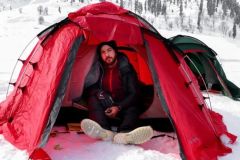 How to Maintain Comfort While Dry Camping in Cold WeatherLearn how to maintain comfort while dry camping in cold weather with practical insulation tips, gear strategies, real camping stories, and expert advice for safe winter outdoor adventures.
 Campfire Desserts Beyond S’mores: Easy Outdoor Treat IdeasDiscover creative Campfire Desserts That Go Beyond S’mores with easy, fun, and delicious outdoor recipes perfect for family camping nights and unforgettable fire pit moments.