What this guide helps you decide
Use the article to prepare questions, compare public listing details, and avoid choosing a campground from one headline, rating, or search result alone.
- How to Protect Your Gear From Rain and Moisture
- 1. Choosing Waterproof Gear
- 2. Proper Storage Techniques for Your Gear
- Confirm seasonal access, amenities, fees, reservation rules, and availability with the campground.
- Compare more than one listing when the decision affects safety, cost, or travel time.
- Use public ratings and photos as signals, not guarantees.
How to Protect Your Gear From Rain and Moisture
- 1. Choosing Waterproof Gear
- 2. Proper Storage Techniques for Your Gear
- 3. Using Waterproof Covers and Bags
- 4. Moisture Absorbing Products to Keep Gear Dry
- 5. Care and Maintenance After Use
1. Choosing Waterproof Gear
When venturing outdoors, it's essential to invest in gear that can withstand wet conditions. Waterproof gear, such as jackets, shoes, backpacks, and tents, is designed to keep rain and moisture out. Look for materials such as Gore-Tex, nylon, or polyester, which offer excellent water resistance.
Tip: Always check the gear’s waterproof rating (in millimeters) to ensure it can handle the level of moisture you may encounter.
2. Proper Storage Techniques for Your Gear
Storing your gear properly after use is crucial to ensuring its longevity and performance. Wet gear should never be stored in a damp or confined space, as this can promote mold and mildew growth. Instead, dry it off as soon as possible and store it in a cool, dry place.
Tip: Consider investing in a gear closet or storage bins that allow your equipment to dry completely before being packed away.
3. Using Waterproof Covers and Bags
In addition to selecting waterproof gear, using waterproof covers and bags can provide extra protection. Many outdoor gear companies offer waterproof covers for backpacks, tents, and even sleeping bags. These covers are made of durable, water-resistant materials like polyurethane or vinyl.
Tip: A waterproof dry bag is perfect for protecting electronics, clothing, and other sensitive gear from rain and moisture during your outdoor adventures.
4. Moisture Absorbing Products to Keep Gear Dry
Moisture-absorbing products, such as silica gel packets or activated charcoal, can help keep your gear dry even in humid conditions. You can place these products inside bags, shoes, or other gear to absorb excess moisture and prevent rust, mildew, and odor.
Tip: Pack a moisture absorber in your gear storage area or even your car to maintain dryness and avoid unwanted dampness.
5. Care and Maintenance After Use
Regular care and maintenance are essential to preserving the waterproofing and functionality of your gear. Cleaning and reapplying waterproofing treatments to your gear will help it perform better in future wet conditions. Most outdoor gear manufacturers offer waterproofing sprays or wash-in treatments for jackets, tents, and footwear.
Tip: After each adventure, clean your waterproof gear according to the manufacturer's instructions and reapply waterproofing treatments when necessary to maintain its performance.
Protecting your gear from rain and moisture is key to ensuring it lasts and performs well over time. By choosing waterproof gear, storing it correctly, using protective covers, and incorporating moisture-absorbing products, you can enjoy your outdoor adventures without worrying about wet gear.
For more tips on outdoor gear care and high-quality waterproof products, visit Camp Spotter, where you'll find the best gear to keep you dry and prepared.
Related Camping Guides
Keep reading if you are comparing destinations, amenities, access, reservation questions, or listing quality.
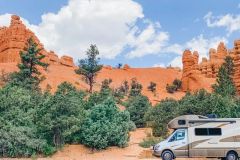 How to Plan an RV Road Trip Through the Southwest U.S.Learn how to plan an RV road trip through the Southwest U.S. with route ideas, camping advice, packing tips, safety planning, and expert travel strategies for an unforgettable adventure.
 RV Essentials You Should Always Keep OnboardDiscover the RV essentials you should always keep onboard for safer and more comfortable trips. Learn which tools, supplies, and accessories every RV owner needs before hitting the road.
 Essential First Aid Tips Every Camper Should KnowLearn essential first aid tips every camper should know, including injury prevention, emergency response steps, first aid kit preparation, and outdoor safety advice for every adventure.
 Campfire Coffee Brewing Methods Every Camper Should TryDiscover the best Campfire Coffee brewing methods for campers, from classic cowboy coffee to pour-over techniques, with expert tips for making great coffee outdoors.
 How to Maintain Comfort While Dry Camping in Cold WeatherLearn how to maintain comfort while dry camping in cold weather with practical insulation tips, gear strategies, real camping stories, and expert advice for safe winter outdoor adventures.
 Campfire Desserts Beyond S’mores: Easy Outdoor Treat IdeasDiscover creative Campfire Desserts That Go Beyond S’mores with easy, fun, and delicious outdoor recipes perfect for family camping nights and unforgettable fire pit moments.