What this guide helps you decide
Use the article to prepare questions, compare public listing details, and avoid choosing a campground from one headline, rating, or search result alone.
- Understanding the Reality of Multi-Day Winter Expeditions
- Route Planning and Weather Intelligence
- Essential Gear for Multi-Day Cold Weather Survival
- Confirm seasonal access, amenities, fees, reservation rules, and availability with the campground.
- Compare more than one listing when the decision affects safety, cost, or travel time.
- Use public ratings and photos as signals, not guarantees.
- Route Planning & Weather Strategy - terrain analysis, storm forecasting, exit planning
- Essential Winter Camping Gear - shelters, sleeping systems, insulation layers
- Food & Water Management - melting snow, calorie density, hydration planning
- Cold Weather Safety Protocols - hypothermia prevention, frostbite awareness
- Navigation in Snow Conditions - whiteout navigation, GPS backup systems
- Camp Setup Efficiency - wind protection, snow anchoring, heat retention
- Emergency Preparedness - signaling, evacuation planning, survival kits
Understanding the Reality of Multi-Day Winter Expeditions
A How to Plan a Multi-Day Winter Camping Expedition guide is not just about packing gear—it is about understanding an environment that actively works against human comfort and predictability. Winter landscapes are beautiful but unforgiving, and every decision, from campsite selection to hydration timing, can determine the success or failure of the journey.
Unlike summer trips where mistakes are inconvenient, winter camping mistakes can quickly become safety-critical. This is why preparation is not optional—it is the foundation of survival and enjoyment.
Route Planning and Weather Intelligence
Reading Terrain Before You Step Into It
Effective cold weather expedition planning begins long before stepping onto snow-covered trails. Studying elevation changes, avalanche zones, and potential wind corridors helps reduce exposure to high-risk areas.
Experienced winter campers often spend more time planning routes than actually hiking them. A well-planned route includes backup exits, emergency shelters, and clearly defined checkpoints in case visibility drops unexpectedly.
Weather Window Strategy
Winter weather can shift rapidly. A clear morning can turn into a whiteout by afternoon. Successful expedition planning involves analyzing multiple weather sources and identifying safe travel windows rather than relying on a single forecast.
Many seasoned adventurers follow a rule: if conditions are uncertain, assume they will worsen. This conservative mindset often prevents dangerous exposure.
Essential Gear for Multi-Day Cold Weather Survival
Layering Systems That Actually Work
One of the most critical components of winter survival camping gear is a proper layering system. This includes moisture-wicking base layers, insulating mid-layers, and weather-resistant outer shells.
The goal is not just warmth but adaptability. During physical exertion, overheating can be just as dangerous as cold exposure due to sweat accumulation leading to rapid cooling later.
Sleeping Systems for Sub-Zero Conditions
Sleeping in winter conditions requires specialized equipment such as insulated sleeping bags rated below expected temperatures and high-R-value sleeping pads to prevent ground heat loss.
A common mistake among beginners is underestimating ground cold. Even high-quality sleeping bags fail if insulation beneath the body is insufficient.
Food and Hydration Strategy in Frozen Environments
High-Calorie Efficiency Planning
A successful multi-day camping checklist winter must prioritize calorie density over volume. Foods such as nuts, dried meats, and energy-rich meals provide sustained energy without excessive weight.
Winter expeditions burn significantly more calories due to cold exposure and constant movement in snow, making nutrition planning essential for endurance.
Water Acquisition in Frozen Terrain
Hydration becomes complex in winter environments because water sources are often frozen. Melting snow is a primary method, but it requires fuel and time, making efficiency essential.
Many experienced campers carry insulated bottles to prevent refreezing and prioritize hydration scheduling rather than drinking reactively.
Safety Systems That Prevent Life-Threatening Situations
Hypothermia Awareness and Prevention
Understanding early signs of hypothermia is critical. Shivering, confusion, and loss of coordination are warning signals that require immediate action.
Proper clothing management, regular movement, and timely shelter breaks are essential components of snow camping safety strategies.
Frostbite Risk Management
Extremities such as fingers, toes, and facial areas are most vulnerable. Preventing frostbite involves maintaining circulation through movement and ensuring proper insulation coverage at all times.
Navigation Challenges in Snow Covered Landscapes
Whiteout Conditions and Spatial Awareness
Whiteout conditions can erase visual landmarks entirely. In such cases, navigation relies heavily on compass use and GPS backup systems.
A common field rule is to avoid traveling during active whiteouts unless absolutely necessary, as spatial disorientation can occur within minutes.
Trail Marking and Route Memory
Marking routes with visible indicators or tracking digital breadcrumbs helps ensure safe return paths. This is especially important when snowfall can quickly erase footprints.
Building and Maintaining a Functional Winter Camp
Wind Protection and Shelter Design
A well-constructed camp is essential for energy conservation. Wind barriers made from snow walls can significantly reduce heat loss and improve sleep quality.
Proper tent orientation also matters. Aligning entry points away from prevailing winds can dramatically improve interior comfort.
Heat Retention Strategies
Efficient heat retention is a cornerstone of winter camping success. This includes minimizing tent openings, using insulated ground barriers, and managing internal moisture levels.
Even small improvements in heat retention can have a major impact on overall energy preservation during multi-day expeditions.
Emergency Preparedness and Decision-Making
No matter how well a trip is planned, unexpected situations can occur. A reliable emergency plan is a core component of any winter camping expedition planning process.
This includes carrying signaling tools, understanding evacuation routes, and maintaining communication redundancy where possible.
One well-documented case involved a group in the Rocky Mountains who became stranded due to a sudden blizzard. Their survival depended on pre-established shelter protocols and rationed supplies, demonstrating how preparation directly influences outcomes.
Developing Long-Term Winter Camping Competence
Mastering winter camping is not achieved in a single expedition. It requires repeated exposure, reflection, and incremental skill development. Each trip builds better judgment about terrain, weather interpretation, and personal limits.
For structured gear recommendations, planning tools, and field-tested advice, Camp Spotter offers resources designed to help campers prepare for safe and efficient cold-weather expeditions.
Over time, experienced campers develop an intuitive understanding of winter environments—knowing when to push forward and when to turn back becomes second nature.
Related Camping Guides
Keep reading if you are comparing destinations, amenities, access, reservation questions, or listing quality.
 How to Plan an RV Road Trip Through the Southwest U.S.Learn how to plan an RV road trip through the Southwest U.S. with route ideas, camping advice, packing tips, safety planning, and expert travel strategies for an unforgettable adventure.
 RV Essentials You Should Always Keep OnboardDiscover the RV essentials you should always keep onboard for safer and more comfortable trips. Learn which tools, supplies, and accessories every RV owner needs before hitting the road.
 Essential First Aid Tips Every Camper Should KnowLearn essential first aid tips every camper should know, including injury prevention, emergency response steps, first aid kit preparation, and outdoor safety advice for every adventure.
 Campfire Coffee Brewing Methods Every Camper Should TryDiscover the best Campfire Coffee brewing methods for campers, from classic cowboy coffee to pour-over techniques, with expert tips for making great coffee outdoors.
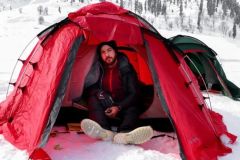 How to Maintain Comfort While Dry Camping in Cold WeatherLearn how to maintain comfort while dry camping in cold weather with practical insulation tips, gear strategies, real camping stories, and expert advice for safe winter outdoor adventures.
 Campfire Desserts Beyond S’mores: Easy Outdoor Treat IdeasDiscover creative Campfire Desserts That Go Beyond S’mores with easy, fun, and delicious outdoor recipes perfect for family camping nights and unforgettable fire pit moments.