What this guide helps you decide
Use the article to prepare questions, compare public listing details, and avoid choosing a campground from one headline, rating, or search result alone.
- Planning Ahead for a Multi-Night RV Campout
- Space Strategy: Thinking Like an RV Minimalist
- Essential Gear for Multi-Night RV Comfort
- Confirm seasonal access, amenities, fees, reservation rules, and availability with the campground.
- Compare more than one listing when the decision affects safety, cost, or travel time.
- Use public ratings and photos as signals, not guarantees.
- rv-packing-strategy-space-management-and-pre-trip-planning
- essential-gear-organization-for-multi-night-camping-comfort
- food-water-and-supply-optimization-for-rv-travel
- clothing-and-personal-items-efficient-storage-systems
- real-camp-story-and-packing-mistakes-to-avoid
- long-term-rv-efficiency-and-on-the-road-adaptability
Planning Ahead for a Multi-Night RV Campout
A successful multi-night RV trip doesn’t start at the campsite—it begins long before departure. Smart packing is what separates a relaxing outdoor experience from a cluttered, stressful one where space runs out too quickly and essentials are hard to find.
Unlike traditional travel, RV camping introduces a unique challenge: everything you bring must serve a purpose while fitting into limited, mobile living space. That means every item should justify its weight, size, and usefulness across several days of travel.
Understanding how to pack efficiently for an RV trip is less about bringing less and more about bringing intentionally. The goal is to create a system where comfort, mobility, and organization work together seamlessly.
Space Strategy: Thinking Like an RV Minimalist
Mapping Storage Zones Before You Pack
Before loading anything into your RV, it helps to mentally divide storage into zones: kitchen, sleeping area, outdoor gear, and emergency supplies. Each zone should have a clear purpose and predictable layout.
This prevents the common issue of “overlapping storage,” where items get randomly placed and become difficult to locate during the trip.
Weight Distribution and Balance Awareness
Proper RV packing is not just about space—it also affects driving safety. Uneven weight distribution can impact handling, fuel efficiency, and braking performance.
Heavier items should always be stored low and close to the vehicle’s centerline. Lighter, frequently used items should be easily accessible without unpacking multiple compartments.
Essential Gear for Multi-Night RV Comfort
Core Sleeping and Rest Setup
Comfort during multi-night camping depends heavily on sleep quality. Bedding should be compact but comfortable, balancing warmth and breathability depending on the season.
Many experienced RV travelers recommend modular bedding systems that can be adjusted quickly based on temperature changes overnight.
Outdoor Living Equipment That Actually Gets Used
Not all camping gear is necessary. The key is selecting items that support daily use, such as folding chairs, compact tables, and multipurpose cooking tools.
A common mistake among first-time RV campers is overpacking recreational gear that never leaves storage. A more efficient approach focuses on high-frequency-use items only.
Emergency and Utility Supplies
Every RV trip should include a dedicated emergency kit. This includes basic tools, lighting, spare batteries, and first-aid essentials.
Keeping these items in a fixed, known location inside the RV reduces stress during unexpected situations.
Food, Water, and Supply Management on the Road
Meal Planning for Limited Storage Space
Food storage is one of the biggest challenges in RV travel. Multi-night trips require meals that are both space-efficient and easy to prepare.
Pre-planned meals reduce unnecessary grocery stops and prevent overbuying perishables that may spoil quickly in limited refrigeration space.
For example, a group traveling through national parks shared how switching from fresh-heavy meals to pre-portioned ingredients reduced food waste by nearly 40% over a week-long trip.
Water Conservation and Smart Usage
Water management is critical in RV living. Efficient use ensures that multi-night stays remain comfortable without frequent refilling.
Simple habits such as shorter dishwashing cycles and reusable containers can significantly extend available water supply.
Supply Rotation Strategy
Organizing supplies in a first-in-first-out system helps prevent waste and keeps essentials accessible. Items used frequently should always remain at the front of storage compartments.
Clothing and Personal Item Optimization
Layer-Based Packing System
Instead of packing large wardrobes, RV travelers benefit from layered clothing systems. This allows adaptation to changing temperatures without excessive luggage.
Neutral colors and multipurpose outfits reduce decision fatigue and save storage space.
Compact Hygiene and Daily Essentials
Toiletries should be travel-sized and stored in waterproof compartments. This prevents spills and keeps limited RV storage clean and organized.
Experienced campers often keep a separate “quick access kit” for daily hygiene routines to avoid rummaging through larger storage areas.
Real RV Camping Experience: What Went Wrong and What Changed
One well-known beginner RV story involves a family who packed as if they were moving into a full home. They brought duplicate cookware, excessive clothing, and recreational items that never left storage compartments.
Within two days of their trip, they struggled with cluttered walkways, disorganized storage, and difficulty accessing basic supplies. The experience turned stressful instead of relaxing.
On their next trip, they used a structured packing approach similar to what experienced campers recommend through Camp Spotter, focusing on categorized storage, essential-only packing, and pre-planned meal systems. The difference was immediate: more space, less stress, and smoother daily routines.
Long-Term RV Efficiency and On-the-Road Adaptation
Adjusting Packing Habits After Each Trip
The most efficient RV travelers continuously refine their packing system. After each trip, they evaluate what was used frequently and what remained untouched.
This feedback loop improves future packing decisions and reduces unnecessary weight over time.
Creating a Repeatable Packing Framework
A standardized packing list helps eliminate guesswork. Once a reliable system is developed, preparing for future multi-night campouts becomes significantly faster and more efficient.
This framework also reduces the risk of forgetting essential items, especially during spontaneous travel plans.
Related Camping Guides
Keep reading if you are comparing destinations, amenities, access, reservation questions, or listing quality.
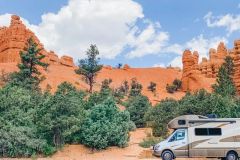 How to Plan an RV Road Trip Through the Southwest U.S.Learn how to plan an RV road trip through the Southwest U.S. with route ideas, camping advice, packing tips, safety planning, and expert travel strategies for an unforgettable adventure.
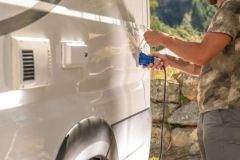 RV Essentials You Should Always Keep OnboardDiscover the RV essentials you should always keep onboard for safer and more comfortable trips. Learn which tools, supplies, and accessories every RV owner needs before hitting the road.
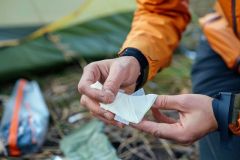 Essential First Aid Tips Every Camper Should KnowLearn essential first aid tips every camper should know, including injury prevention, emergency response steps, first aid kit preparation, and outdoor safety advice for every adventure.
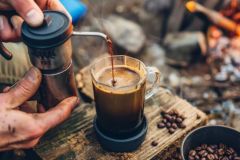 Campfire Coffee Brewing Methods Every Camper Should TryDiscover the best Campfire Coffee brewing methods for campers, from classic cowboy coffee to pour-over techniques, with expert tips for making great coffee outdoors.
 How to Maintain Comfort While Dry Camping in Cold WeatherLearn how to maintain comfort while dry camping in cold weather with practical insulation tips, gear strategies, real camping stories, and expert advice for safe winter outdoor adventures.
 Campfire Desserts Beyond S’mores: Easy Outdoor Treat IdeasDiscover creative Campfire Desserts That Go Beyond S’mores with easy, fun, and delicious outdoor recipes perfect for family camping nights and unforgettable fire pit moments.