What this guide helps you decide
Use the article to prepare questions, compare public listing details, and avoid choosing a campground from one headline, rating, or search result alone.
- How to Camp Off-Grid Safely and Sustainably
- 1. Understanding Off-Grid Camping
- 2. Preparing for Your Off-Grid Camping Trip
- Confirm seasonal access, amenities, fees, reservation rules, and availability with the campground.
- Compare more than one listing when the decision affects safety, cost, or travel time.
- Use public ratings and photos as signals, not guarantees.
How to Camp Off-Grid Safely and Sustainably
Camping off-grid provides a unique way to connect with nature and enjoy the wilderness while minimizing your impact on the environment. However, venturing into remote areas requires careful planning and responsible practices to ensure both safety and sustainability. In this article, we’ll cover essential tips on how to camp off-grid safely and sustainably, helping you enjoy your outdoor adventure while protecting the environment.
- 1. Understanding Off-Grid Camping
- 2. Preparing for Your Off-Grid Camping Trip
- 3. Sustainable Camping Practices
- 4. Safety Tips for Off-Grid Camping
- 5. Camp Spotter Recommendations
1. Understanding Off-Grid Camping
Off-grid camping is about disconnecting from modern conveniences and immersing yourself in nature. Unlike traditional camping, off-grid camping typically takes place in more remote locations where there is no access to electricity, running water, or cell service. It's a chance to experience nature in its purest form, but it also comes with added challenges, such as limited resources and the need for self-sufficiency.
Being prepared for off-grid camping means understanding how to meet your basic needs without relying on typical infrastructure. This includes managing water, food, waste, and energy independently while maintaining minimal impact on the environment.
2. Preparing for Your Off-Grid Camping Trip
Before heading off the beaten path, thorough preparation is crucial. Here’s how you can ensure a smooth and safe off-grid camping experience:
2.1 Research Your Destination
Knowing your campsite location is key. Research the area’s weather, terrain, and wildlife. This helps you plan accordingly for potential hazards, such as extreme temperatures, dangerous animals, or difficult terrain. Understanding local rules and regulations, such as fire restrictions or water usage laws, is also essential.
2.2 Pack Smart and Light
When camping off-grid, you’ll need to carry all your gear, food, and supplies. Opt for lightweight gear that serves multiple purposes to reduce the weight you carry. Items such as a compact stove, a multi-tool, and a collapsible water filter are excellent for conserving space and weight while providing essential functionality.
2.3 Secure Water and Food Supplies
Water is one of your most important resources when camping off-grid. Consider bringing a portable water filtration system to purify water from natural sources. For food, pre-packaged meals that require minimal preparation are a great option. Don't forget to bring a cooler or insulated bags to keep food fresh for longer periods of time.
3. Sustainable Camping Practices
Off-grid camping can be a fulfilling way to reconnect with nature, but it's essential to minimize your environmental impact. Here are some sustainable camping practices that help preserve the beauty of the wilderness:
3.1 Leave No Trace
The "Leave No Trace" principles are a vital part of responsible camping. This means leaving the environment exactly as you found it by minimizing your waste, picking up after yourself, and leaving natural objects undisturbed. Pack out all trash and try to leave as little evidence of your presence as possible.
3.2 Use Renewable Energy
Utilizing renewable energy sources, like solar-powered chargers or portable wind turbines, helps reduce your reliance on disposable batteries and fossil fuels. These eco-friendly alternatives can power small devices like lights or phones, ensuring that you stay connected without harming the environment.
3.3 Choose Eco-Friendly Camping Gear
Look for camping gear made from sustainable or recyclable materials. Opt for eco-friendly options like biodegradable soap, reusable utensils, and compact gear that doesn’t require a lot of packaging. This minimizes the waste you produce during your trip and reduces your overall carbon footprint.
3.4 Conserve Water
Water conservation is especially important when camping off-grid, as fresh water may not always be readily available. Use water efficiently for drinking, cooking, and cleaning, and avoid overuse. When possible, collect rainwater or utilize natural water sources that you filter and purify.
4. Safety Tips for Off-Grid Camping
While off-grid camping can be an exciting and rewarding experience, safety should always be your top priority. Here are essential tips to keep in mind:
4.1 Know How to Navigate
When venturing off-grid, it's essential to have navigation skills. Bring a reliable map and compass, and consider using a GPS device as a backup. Make sure you know how to use them before you go, and always let someone know your expected location and return time.
4.2 Pack a First-Aid Kit
In the wilderness, accidents can happen. A well-stocked first-aid kit is essential for treating minor injuries, such as cuts or burns, and for handling more serious medical emergencies. Include items like bandages, antiseptic, pain relief, and allergy medication. Be sure to also carry any personal medications you might need.
4.3 Stay Aware of Weather Conditions
Weather conditions can change rapidly, especially in remote areas. Monitor weather forecasts before and during your trip. If you’re heading into the wilderness during extreme conditions, make sure your clothing and shelter are prepared for the worst-case scenario.
5. Camp Spotter Recommendations
If you're looking for the best off-grid camping gear and accessories, visit Camp Spotter for expert recommendations. Our website features a carefully curated selection of sustainable and eco-friendly camping equipment, from lightweight tents to portable solar chargers, to help you camp safely and responsibly in 2025.
Related Camping Guides
Keep reading if you are comparing destinations, amenities, access, reservation questions, or listing quality.
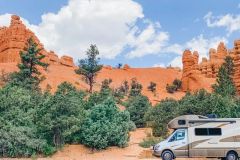 How to Plan an RV Road Trip Through the Southwest U.S.Learn how to plan an RV road trip through the Southwest U.S. with route ideas, camping advice, packing tips, safety planning, and expert travel strategies for an unforgettable adventure.
 RV Essentials You Should Always Keep OnboardDiscover the RV essentials you should always keep onboard for safer and more comfortable trips. Learn which tools, supplies, and accessories every RV owner needs before hitting the road.
 Essential First Aid Tips Every Camper Should KnowLearn essential first aid tips every camper should know, including injury prevention, emergency response steps, first aid kit preparation, and outdoor safety advice for every adventure.
 Campfire Coffee Brewing Methods Every Camper Should TryDiscover the best Campfire Coffee brewing methods for campers, from classic cowboy coffee to pour-over techniques, with expert tips for making great coffee outdoors.
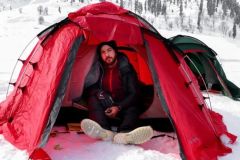 How to Maintain Comfort While Dry Camping in Cold WeatherLearn how to maintain comfort while dry camping in cold weather with practical insulation tips, gear strategies, real camping stories, and expert advice for safe winter outdoor adventures.
 Campfire Desserts Beyond S’mores: Easy Outdoor Treat IdeasDiscover creative Campfire Desserts That Go Beyond S’mores with easy, fun, and delicious outdoor recipes perfect for family camping nights and unforgettable fire pit moments.