What this guide helps you decide
Use the article to prepare questions, compare public listing details, and avoid choosing a campground from one headline, rating, or search result alone.
- 1. Introduction: Why Winter Camping?
- 2. Preparing for Cold Weather Camping
- 3. Essential Gear for Cold Weather Camping
- Confirm seasonal access, amenities, fees, reservation rules, and availability with the campground.
- Compare more than one listing when the decision affects safety, cost, or travel time.
- Use public ratings and photos as signals, not guarantees.
- 1. Introduction: Why Winter Camping?
- 2. Preparing for Cold Weather Camping
- 3. Essential Gear for Cold Weather Camping
- 4. Staying Warm: Key Tips and Techniques
- 5. Winter Camping Safety and Health
1. Introduction: Why Winter Camping?
Winter camping offers an entirely unique experience for adventurers who enjoy the beauty of the outdoors during the colder months. Camping in freezing temperatures may sound daunting, but with the right preparation and equipment, it can be incredibly rewarding. From peaceful, snow-covered landscapes to fewer crowds at popular camping sites, winter camping provides an intimate connection to nature that’s unlike any other season.
However, the challenges of staying warm and safe in freezing conditions require knowledge and preparation. In this article, we’ll explore the essentials of winter camping, from the best gear to tips for staying comfortable in extreme cold.
2. Preparing for Cold Weather Camping
The key to enjoying winter camping is preparation. Unlike warmer months, winter camping requires extra care in selecting the right gear, planning your activities, and ensuring that your campsite remains safe and comfortable.
First, check the weather forecast closely before your trip. Conditions can change quickly in winter, so being prepared for snowstorms, freezing winds, or even unexpected warmth is important. Additionally, make sure to research the specific location of your camping site. Certain areas may have restricted access during winter due to hazardous conditions or seasonal closures.
3. Essential Gear for Cold Weather Camping
The right gear is crucial when it comes to staying comfortable and safe in freezing temperatures. Here's a breakdown of the must-have camping gear:
- Insulated Sleeping Bag: A sleeping bag rated for winter temperatures is essential. Look for one with a temperature rating that matches the expected lows. Consider bags with down insulation for their warmth-to-weight ratio.
- 4-Season Tent: A 4-season tent is designed to handle the wind, snow, and heavy rain of winter conditions. It will provide extra warmth and protection from the elements.
- Thermal Clothing: Layering is key when it comes to clothing. Wear moisture-wicking base layers, followed by insulating layers (such as fleece or down), and finish with waterproof and windproof outer layers.
- Cooking Equipment: Winter camping requires a reliable stove that works in low temperatures. Propane or liquid fuel stoves are typically more reliable than canister stoves, which can freeze in extremely cold conditions.
4. Staying Warm: Key Tips and Techniques
Staying warm is the most important aspect of winter camping. Here are some tips to help you maintain body heat in freezing temperatures:
- Use a Sleeping Pad: Insulating your sleeping pad is just as important as your sleeping bag. The cold ground can sap warmth from your body, so using an insulated or double-layer sleeping pad is essential for warmth.
- Eat High-Energy Foods: Eating high-calorie, nutrient-dense foods will help your body generate heat. Stick to foods that are easy to cook and pack, such as energy bars, nuts, and freeze-dried meals.
- Keep Moving: Physical activity generates body heat, so try to stay active during the day. On hikes or walks, take frequent breaks to keep your blood circulating and prevent your body from cooling down.
- Use Heat Packs: Hand and foot warmers can be lifesavers in freezing conditions. Place them in your gloves, boots, or sleeping bag to help maintain warmth.
5. Winter Camping Safety and Health
While winter camping can be a fun and rewarding experience, it’s important to take safety seriously. Here are a few tips to stay safe and healthy during your trip:
- Know the Symptoms of Hypothermia: Hypothermia is a dangerous condition that can occur when your body loses heat faster than it can produce it. Symptoms include shivering, confusion, and slurred speech. If you or a fellow camper show signs of hypothermia, take immediate action to warm up and seek help.
- Avoid Frostbite: Frostbite occurs when skin freezes, typically on extremities like fingers, toes, ears, and nose. Always wear proper winter clothing, including gloves, socks, and a hat, to prevent frostbite.
- Camp in a Group: Winter camping is more challenging when done alone. Whenever possible, camp with others to help ensure safety and provide support in case of emergencies.
Winter camping is an exciting and unique way to experience nature. By properly preparing, using the right gear, and following key safety tips, you can enjoy the peace and beauty of the outdoors even in freezing temperatures. For more information on winter camping gear and to find the best products for your adventure, check out Camp Spotter.
Related Camping Guides
Keep reading if you are comparing destinations, amenities, access, reservation questions, or listing quality.
 How to Plan an RV Road Trip Through the Southwest U.S.Learn how to plan an RV road trip through the Southwest U.S. with route ideas, camping advice, packing tips, safety planning, and expert travel strategies for an unforgettable adventure.
 RV Essentials You Should Always Keep OnboardDiscover the RV essentials you should always keep onboard for safer and more comfortable trips. Learn which tools, supplies, and accessories every RV owner needs before hitting the road.
 Essential First Aid Tips Every Camper Should KnowLearn essential first aid tips every camper should know, including injury prevention, emergency response steps, first aid kit preparation, and outdoor safety advice for every adventure.
 Campfire Coffee Brewing Methods Every Camper Should TryDiscover the best Campfire Coffee brewing methods for campers, from classic cowboy coffee to pour-over techniques, with expert tips for making great coffee outdoors.
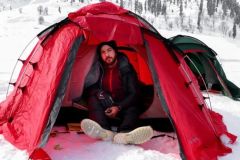 How to Maintain Comfort While Dry Camping in Cold WeatherLearn how to maintain comfort while dry camping in cold weather with practical insulation tips, gear strategies, real camping stories, and expert advice for safe winter outdoor adventures.
 Campfire Desserts Beyond S’mores: Easy Outdoor Treat IdeasDiscover creative Campfire Desserts That Go Beyond S’mores with easy, fun, and delicious outdoor recipes perfect for family camping nights and unforgettable fire pit moments.