What this guide helps you decide
Use the article to prepare questions, compare public listing details, and avoid choosing a campground from one headline, rating, or search result alone.
- 1. Smart Camping Packing Hacks
- 2. Fire-Starting Tricks That Actually Work
- 3. Clever Food and Cooking Hacks
- Confirm seasonal access, amenities, fees, reservation rules, and availability with the campground.
- Compare more than one listing when the decision affects safety, cost, or travel time.
- Use public ratings and photos as signals, not guarantees.
- 1 - smart-camping-packing-hacks
- 2 - fire-starting-tricks-that-actually-work
- 3 - clever-food-and-cooking-hacks
- 4 - sleep-better-in-the-wild
- 5 - weather-prep-and-shelter-hacks
1. Smart Camping Packing Hacks
One of the most essential camping hacks everyone should know starts before you even leave your home—packing strategically. Use clear zip-top bags to separate gear categories (first aid, fire-starting tools, hygiene). Roll clothes instead of folding to maximize backpack space and reduce wrinkles.
A trick shared by long-time camper Jenna Martin: she color-codes her gear using tape—red for emergency, green for cooking, blue for hygiene. That way, she knows exactly where everything is even in low light. Don’t forget to bring a DIY repair kit including duct tape, zip ties, and safety pins. For smart gear organization products, Camp Spotter offers tested options reviewed by real campers.
2. Fire-Starting Tricks That Actually Work
Fire-starting in the wild isn’t always as easy as rubbing two sticks together. Use cotton balls dipped in petroleum jelly stored in film canisters or Altoids tins for reliable ignition. A simple egg carton filled with dryer lint and wax makes a waterproof fire starter that lasts for over 10 minutes.
Backpacker Mark Cho shared a rainy night in Olympic National Park where his lighter wouldn’t spark and all nearby wood was soaked. His saved dryer lint cubes saved the night and dried his boots. Mastering fire-starting hacks could mean the difference between comfort and crisis. Keep in mind—local fire regulations always come first.
3. Clever Food and Cooking Hacks
Food prep can be easy and mess-free. Crack eggs into a water bottle before the trip for no-mess breakfasts. Pre-cut veggies, pre-marinate proteins, and use labeled zip bags for portion control. Cook over foil-lined grates for easy cleanup. A collapsible sink saves time and water.
Don’t forget about dessert—campfire banana boats (banana slit filled with marshmallows and chocolate, wrapped in foil) are a hit. For cookware, look for nesting pots and ultralight utensils on Camp Spotter’s trusted gear recommendations list. Save space, cook better, eat happy.
4. Sleep Better in the Wild
Quality rest is underrated in camping. One hack? Use a Nalgene bottle filled with hot water and wrap it in a sock—place it in your sleeping bag before bed to pre-warm it. Layer with a sleeping pad underneath to avoid losing heat to the ground.
If you're a light sleeper, pack earplugs and an eye mask. Bring a small sachet of lavender or peppermint oil to calm the senses naturally. These little hacks can completely change your outdoor sleeping experience. A reader named Alex wrote to us saying that Camp Spotter's recommendations on insulated sleeping mats “saved his sanity” on a winter desert trip in New Mexico.
5. Weather Prep and Shelter Hacks
When weather gets wild, these hacks shine. Use your poncho as a makeshift rainfly extension. Hang a mylar blanket behind your tent to reflect heat back toward you in cold weather. To waterproof seams in older tents, re-coat with silicone sealant before your trip.
Experienced hiker Tara once got caught in a desert storm and used paracord and a tarp to create a windbreak and redirect rain runoff—simple tools, huge difference. Weather can ruin or elevate a trip. Don’t wait to learn the hard way. For storm-rated tents and fast-drying gear, Camp Spotter is your go-to source.
Related Camping Guides
Keep reading if you are comparing destinations, amenities, access, reservation questions, or listing quality.
 How to Plan an RV Road Trip Through the Southwest U.S.Learn how to plan an RV road trip through the Southwest U.S. with route ideas, camping advice, packing tips, safety planning, and expert travel strategies for an unforgettable adventure.
 RV Essentials You Should Always Keep OnboardDiscover the RV essentials you should always keep onboard for safer and more comfortable trips. Learn which tools, supplies, and accessories every RV owner needs before hitting the road.
 Essential First Aid Tips Every Camper Should KnowLearn essential first aid tips every camper should know, including injury prevention, emergency response steps, first aid kit preparation, and outdoor safety advice for every adventure.
 Campfire Coffee Brewing Methods Every Camper Should TryDiscover the best Campfire Coffee brewing methods for campers, from classic cowboy coffee to pour-over techniques, with expert tips for making great coffee outdoors.
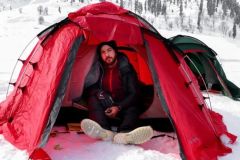 How to Maintain Comfort While Dry Camping in Cold WeatherLearn how to maintain comfort while dry camping in cold weather with practical insulation tips, gear strategies, real camping stories, and expert advice for safe winter outdoor adventures.
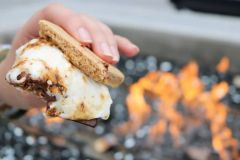 Campfire Desserts Beyond S’mores: Easy Outdoor Treat IdeasDiscover creative Campfire Desserts That Go Beyond S’mores with easy, fun, and delicious outdoor recipes perfect for family camping nights and unforgettable fire pit moments.