What this guide helps you decide
Use the article to prepare questions, compare public listing details, and avoid choosing a campground from one headline, rating, or search result alone.
- Campsite Tree Hazards: Look Up Before You Set Up
- Quick answer
- Do an arrival scan
- Confirm seasonal access, amenities, fees, reservation rules, and availability with the campground.
- Compare more than one listing when the decision affects safety, cost, or travel time.
- Use public ratings and photos as signals, not guarantees.
Campsite Tree Hazards: Look Up Before You Set Up
On this page
Quick answer
Before placing a tent, hammock, vehicle, or chair, look up and around for dead, cracked, broken, or hanging branches and trees with visible damage. Do not camp beneath a suspect branch or within its likely fall area. If wind, heavy rain, snow, fire damage, cracking sounds, or new movement increases concern, leave the area and notify campground staff or a ranger.
This is a screening checklist for U.S. campers, not a tree-risk assessment. Trees and limbs can fall without obvious warning, including in calm conditions.
Do an arrival scan
Walk the site before unloading. Start at the tent pad, then inspect the space used for parking, cooking, sitting, and the path to facilities.
- Look straight up. Scan the canopy for suspended, broken, or dead limbs.
- Look at nearby crowns. A branch can reach beyond the trunk and fall into an apparently open site.
- Look down the trunks. Notice major cracks, cavities, splitting unions, missing bark, or severe lean.
- Look at the base. Watch for uprooting, lifted soil, decay, fire damage, or roots exposed by erosion.
- Look at the surroundings. Dead neighboring trees, recently fallen limbs, and storm damage indicate changing conditions.
Repeat the scan from more than one angle. Leaves and overlapping branches can hide defects, especially near dusk.
Recognize warning signs
- Dead branches without leaves when similar branches are leafed out
- Cracked, split, broken, or hanging limbs
- A dead or declining tree close enough to strike the site
- Rot, cavities, fungal growth, or major bark loss near the base
- Freshly exposed roots, soil lifting, or a new lean
- Fire scars, lightning damage, insect damage, or storm breakage
- Fresh branches on the ground beneath the same canopy
- Cracking, snapping, or root movement sounds
These signs do not tell a camper exactly when a tree will fail. They are reasons to create distance and seek staff guidance, not invitations to test, shake, climb, cut, or push the tree.
Place tents and vehicles carefully
Use a designated tent pad when required, but ask for another site if the pad sits beneath a visible hazard. Keep sleeping areas, hammocks, chairs, and vehicles outside the reach of suspect branches and trees.
A hammock adds load to its anchor trees. Use only healthy-looking trees where hammocks are permitted, follow diameter and strap rules, and inspect the canopy above both anchors. Never attach to dead, burned, split, loose, or visibly damaged trees.
Do not move barriers, enter closed sites, or cut limbs. Campground closures and marked zones may reflect hazards that are not obvious from ground level.
Recheck when weather changes
Wind, saturated soil, heavy rain, snow or ice loading, and recent wildfire can increase falling-tree risk. Check the campground alert, local forecast, and current restrictions before arrival and during the stay.
Reassess after a storm and whenever you hear limbs fall nearby. A tent, picnic shelter, or vehicle parked under a damaged tree is not a reliable shield from a large falling limb. Follow park instructions about safer buildings, vehicles, evacuation, or temporary closures.
Know when to move
Leave immediately if you hear cracking or snapping, see roots or soil moving, observe a branch shifting, or receive a closure or evacuation instruction. Warn others without standing beneath the hazard.
When concern is visible but not actively changing, keep people out of the fall area and contact the host, ranger, land manager, or emergency service appropriate to the location. Ask for another site. Do not sleep beneath a tree you already suspect.
If a tree or limb falls onto a person, tent, vehicle, utility, or road, call emergency services and avoid downed power lines or unstable branches. Secondary limbs can fall after the first impact.
Two-minute campsite checklist
- Scan above every sleeping, sitting, cooking, and parking area.
- Check trunks and bases of trees within striking distance.
- Look for fresh fallen limbs and recent storm or fire damage.
- Keep hammocks off damaged trees.
- Review weather, alerts, closures, and campground instructions.
- Choose an alternate site when a visible hazard cannot be avoided.
- Recheck after wind, rain, snow, or unusual sounds.
- Report hazards; do not cut or move them yourself.
Limitations and important notes
A healthy-looking tree can fail, and a dead tree may not fall during your stay. Ground-level visual screening reduces avoidable exposure but cannot make a wooded campsite risk-free.
Tree species, soils, weather, pests, fire history, and land-management rules vary across the United States. Local staff know recent conditions and have authority over closures and site assignments.
Sources and evidence notes
- The National Park Service guide to finding and setting up a campsite advises campers to avoid dead trees and not camp beneath dead branches.
- NPS tree-hazard guidance warns that branches and trees may fall even without wind and lists visible defects campers should avoid.
Frequently asked questions
Is a designated campsite automatically free of tree hazards?
No. Staff manage hazards, but conditions change. Inspect on arrival and report new damage or concerns.
Is a dead branch safe if there is no wind?
No. NPS guidance notes that trees and branches can fall in calm conditions. Do not camp beneath a dead or broken limb.
Can I remove a small hanging branch myself?
Do not. The branch, tree, tools, or surrounding canopy can create additional hazards, and cutting may violate rules. Move away and notify the land manager.
Should I stay in my car during strong wind?
A vehicle beneath trees can be struck. Follow local emergency guidance and move away from suspect trees before conditions worsen when it is safe to do so.
Conclusion and next steps
Make “look up, look around, look again after weather” part of every campsite setup. When a branch or tree gives you reason to pause, create distance and request another site. The easiest tree hazard to manage is the one you never sleep beneath.
Related Camping Guides
Keep reading if you are comparing destinations, amenities, access, reservation questions, or listing quality.
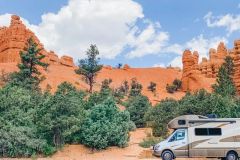 How to Plan an RV Road Trip Through the Southwest U.S.Learn how to plan an RV road trip through the Southwest U.S. with route ideas, camping advice, packing tips, safety planning, and expert travel strategies for an unforgettable adventure.
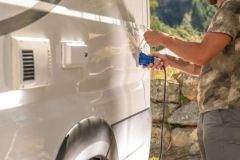 RV Essentials You Should Always Keep OnboardDiscover the RV essentials you should always keep onboard for safer and more comfortable trips. Learn which tools, supplies, and accessories every RV owner needs before hitting the road.
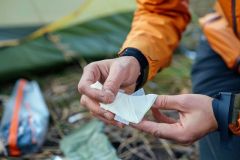 Essential First Aid Tips Every Camper Should KnowLearn essential first aid tips every camper should know, including injury prevention, emergency response steps, first aid kit preparation, and outdoor safety advice for every adventure.
 Campfire Coffee Brewing Methods Every Camper Should TryDiscover the best Campfire Coffee brewing methods for campers, from classic cowboy coffee to pour-over techniques, with expert tips for making great coffee outdoors.
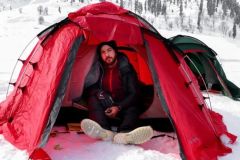 How to Maintain Comfort While Dry Camping in Cold WeatherLearn how to maintain comfort while dry camping in cold weather with practical insulation tips, gear strategies, real camping stories, and expert advice for safe winter outdoor adventures.
 Campfire Desserts Beyond S’mores: Easy Outdoor Treat IdeasDiscover creative Campfire Desserts That Go Beyond S’mores with easy, fun, and delicious outdoor recipes perfect for family camping nights and unforgettable fire pit moments.