What this guide helps you decide
Use the article to prepare questions, compare public listing details, and avoid choosing a campground from one headline, rating, or search result alone.
- Campsite Neighbor Etiquette: Share Space Without Conflict
- Quick answer
- Respect campsite boundaries
- Confirm seasonal access, amenities, fees, reservation rules, and availability with the campground.
- Compare more than one listing when the decision affects safety, cost, or travel time.
- Use public ratings and photos as signals, not guarantees.
Campsite Neighbor Etiquette: Share Space Without Conflict
On this page
Quick answer
Good campsite etiquette means keeping people, gear, pets, light, sound, smoke, and vehicles within your assigned space and campground rules. Use designated paths, observe quiet hours as a minimum, supervise children and animals, and leave shared facilities ready for the next person. If a problem arises, use a calm specific request or contact the host rather than escalating a conflict.
This guide is for developed campgrounds in the United States where sites and facilities are shared closely. Posted rules, host instructions, fire restrictions, and emergency directions take priority. Campground layouts and accepted behavior vary.
Respect campsite boundaries
A reserved campsite is temporary private space within a shared public environment. Do not cross another occupied site as a shortcut, even if the route to water, restrooms, or the shoreline looks faster. Use marked roads and paths.
Keep tents, awnings, vehicles, hammocks, games, chairs, and drying lines inside the assigned area. Avoid blocking neighboring parking, accessible routes, utility connections, bear-resistant lockers, or emergency access. Ask before entering another site to retrieve a ball or pet.
Set doors, lights, and seating to reduce direct exposure toward neighbors when the layout allows. Privacy is limited outdoors, but small positioning choices can keep headlamps out of tents and conversations away from sleeping areas.
Manage sound, light, and smoke
Sound
Quiet hours are a maximum boundary, not permission for unlimited noise at other times. Keep voices, music, vehicle alarms, door slams, and equipment at a level contained near your site. Consider shift workers, families, wildlife watchers, and campers who sleep early.
Light
Aim lanterns downward and use the lowest useful brightness. Avoid flashing modes and sweeping headlamps across tents, vehicles, or faces. Turn decorative lighting off when sleeping if rules or nearby campers call for darkness.
Smoke and cooking odors
Use fires and grills only where and when permitted. Watch wind direction, keep smoke from drifting toward tents when possible, and never burn trash or prohibited material. Extinguish fires according to campground guidance; do not leave a fire unattended.
Generators and engines
Follow allowed hours and placement rules, but also consider exhaust direction and nearby tents. Carbon monoxide can travel and collect in enclosed spaces. Never run an engine or fuel-burning device where exhaust can enter a tent, RV, vehicle, or structure.
Use shared areas thoughtfully
At restrooms, water points, dishwashing stations, dumpsters, dump stations, trailheads, and charging areas, follow posted purpose and time limits. Do not wash dishes at a drinking-water spigot unless the facility explicitly allows it. Clean up spills and carry out personal items.
Park only in designated spaces. Keep roads clear and drive at the posted speed; children, pets, cyclists, and wildlife can enter the road unexpectedly. Limit idling and unnecessary late-night vehicle movement.
Supervise children without expecting neighboring campers to monitor them. Keep pets under the required control, clean up waste promptly, and prevent repeated barking or entry into other sites. A friendly animal should still not approach strangers without permission.
Neighbor-friendly checklist
- Learn quiet hours, generator hours, pet rules, and fire restrictions.
- Identify site boundaries, paths, utilities, and emergency access.
- Aim lights, doors, seating, speakers, and exhaust away from neighbors.
- Keep voices and music contained throughout the day.
- Supervise children and pets; keep games inside the site.
- Use shared facilities only for their posted purpose.
- Store food and trash according to wildlife rules.
- Before leaving, check for litter, food scraps, cord, stakes, and embers.
Handle problems safely
For a minor issue, a short specific request often works better than an accusation: identify the light, path, noise, smoke, or blocked space and explain the practical effect. Speak during a calm moment, keep distance, and do not enter the other site without invitation.
Contact the campground host, ranger, or management when rules are repeatedly ignored, direct contact feels unsafe, or the issue involves fire, aggressive behavior, threats, impaired driving, wildlife, or dangerous equipment. Follow emergency procedures for immediate danger.
Do not retaliate with noise, light, social-media exposure, or interference with another camper’s belongings. Document relevant details for staff without provoking a confrontation.
Sources and evidence notes
This article reflects common campground rules, outdoor courtesy, and broad safety practice. Specific quiet hours, site boundaries, pet controls, fire rules, and enforcement procedures come from the campground and responsible land agency. Courtesy supplements those rules; it does not override them.
Frequently asked questions
Can I walk through an empty-looking campsite?
Use designated paths. A site may be occupied even when campers are away, and crossing it can disturb gear or privacy.
Is music acceptable before quiet hours?
Usually only at a reasonable level and where rules allow it. Keep sound near your site and respond promptly if it affects others.
What if campfire smoke blows toward another site?
Adjust or extinguish the fire if it can be done safely, subject to rules. Persistent wind toward nearby tents may make a fire inappropriate.
Should I confront a noisy group?
Only if the situation feels safe and a calm request is appropriate. Otherwise contact the host or ranger, especially for threats, intoxication, or repeated violations.
How clean should I leave the site?
Remove all belongings, litter, food scraps, cord, and pet waste; handle ashes as directed; and return moved items only where rules permit. Leave no hidden hazard for the next visitor.
Next steps
At check-in, locate boundaries, paths, shared facilities, quiet hours, and the host contact. Position gear to reduce spillover, then do a short evening check for light, sound, smoke, pets, and blocked access. Treat the neighboring site the way you want your own temporary space treated.
Related Camping Guides
Keep reading if you are comparing destinations, amenities, access, reservation questions, or listing quality.
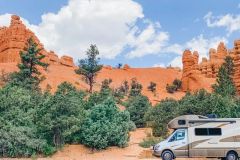 How to Plan an RV Road Trip Through the Southwest U.S.Learn how to plan an RV road trip through the Southwest U.S. with route ideas, camping advice, packing tips, safety planning, and expert travel strategies for an unforgettable adventure.
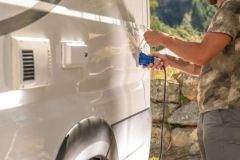 RV Essentials You Should Always Keep OnboardDiscover the RV essentials you should always keep onboard for safer and more comfortable trips. Learn which tools, supplies, and accessories every RV owner needs before hitting the road.
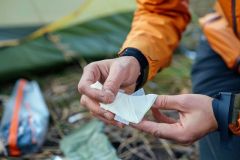 Essential First Aid Tips Every Camper Should KnowLearn essential first aid tips every camper should know, including injury prevention, emergency response steps, first aid kit preparation, and outdoor safety advice for every adventure.
 Campfire Coffee Brewing Methods Every Camper Should TryDiscover the best Campfire Coffee brewing methods for campers, from classic cowboy coffee to pour-over techniques, with expert tips for making great coffee outdoors.
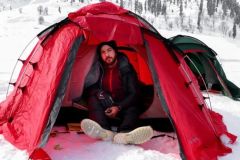 How to Maintain Comfort While Dry Camping in Cold WeatherLearn how to maintain comfort while dry camping in cold weather with practical insulation tips, gear strategies, real camping stories, and expert advice for safe winter outdoor adventures.
 Campfire Desserts Beyond S’mores: Easy Outdoor Treat IdeasDiscover creative Campfire Desserts That Go Beyond S’mores with easy, fun, and delicious outdoor recipes perfect for family camping nights and unforgettable fire pit moments.