What this guide helps you decide
Use the article to prepare questions, compare public listing details, and avoid choosing a campground from one headline, rating, or search result alone.
- Campsite Lighting Plan: Brightness, Direction, and Courtesy
- At a glance
- The purpose of campsite lighting plan
- Confirm seasonal access, amenities, fees, reservation rules, and availability with the campground.
- Compare more than one listing when the decision affects safety, cost, or travel time.
- Use public ratings and photos as signals, not guarantees.
Campsite Lighting Plan: Brightness, Direction, and Courtesy
On this page
At a glance
Start by checking brightness, direction, courtesy, and follow-up. Record what you observe, confirm any rule or instruction with the responsible provider, and decide your stop or escalation point before acting. The goal is a repeatable check—not a promise, diagnosis, or substitute for qualified advice.
The purpose of campsite lighting plan
This guide is for readers in United States who want a practical way to review campsite lighting plan. A useful check separates direct observations, provider statements, and assumptions, then records enough context for a safe next decision.
Check current land-manager rules, weather, fire restrictions, route conditions, and emergency communication before leaving. Build a backup that does not depend on mobile coverage.
Set up a reliable check
Gather the current instructions, relevant records, contact details, and a simple note format before you begin. Define what success, delay, and a stop condition mean for this situation.
Checklist for the real situation
- Confirm brightness and write down the source of the information.
- Check direction under the conditions that matter to your situation.
- Record courtesy with a date, location, model, item, or person when relevant.
- Agree how follow-up will be confirmed and what happens if it changes.
Save photos, receipts, or messages only when they are safe, relevant, permitted, and protected appropriately.
How to interpret the result
Proceed when the check is complete and the result fits the stated instructions. Pause when information is missing or conditions have changed. Escalate when safety, legal, medical, structural, financial, or contractual risk is outside your competence.
Cautions and exceptions
Conditions can change quickly. Turn back or seek ranger, emergency, or qualified help when the route, weather, fire, water, wildlife, or equipment risk exceeds your plan.
Local rules, provider policies, product specifications, prices, and availability can change. Verify the current version before relying on them.
Use current, authoritative information
Use current land-manager notices, official weather alerts, and local emergency guidance as primary evidence. Check publication dates and applicability to United States; do not rely on an uncited social post, old price, or generic claim for a material decision.
Questions people ask
How much detail should I record?
Record enough to identify the item, time, condition, instruction, and result. A short, consistent entry is more useful than an unsupported conclusion.
What if two sources disagree?
Pause the decision, identify the current authoritative source, and ask the responsible provider or qualified professional to resolve the conflict in writing when appropriate.
Finish with a clear next step
Make one concise record covering brightness, direction, courtesy, and follow-up. Confirm the responsible person, the next checkpoint, and the condition that would make you pause or seek qualified help.
Related Camping Guides
Keep reading if you are comparing destinations, amenities, access, reservation questions, or listing quality.
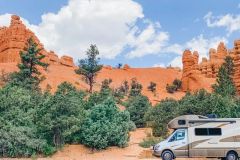 How to Plan an RV Road Trip Through the Southwest U.S.Learn how to plan an RV road trip through the Southwest U.S. with route ideas, camping advice, packing tips, safety planning, and expert travel strategies for an unforgettable adventure.
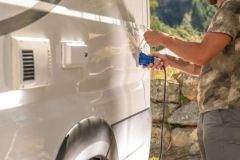 RV Essentials You Should Always Keep OnboardDiscover the RV essentials you should always keep onboard for safer and more comfortable trips. Learn which tools, supplies, and accessories every RV owner needs before hitting the road.
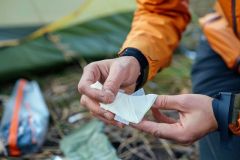 Essential First Aid Tips Every Camper Should KnowLearn essential first aid tips every camper should know, including injury prevention, emergency response steps, first aid kit preparation, and outdoor safety advice for every adventure.
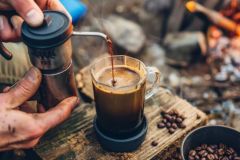 Campfire Coffee Brewing Methods Every Camper Should TryDiscover the best Campfire Coffee brewing methods for campers, from classic cowboy coffee to pour-over techniques, with expert tips for making great coffee outdoors.
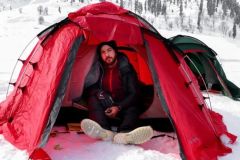 How to Maintain Comfort While Dry Camping in Cold WeatherLearn how to maintain comfort while dry camping in cold weather with practical insulation tips, gear strategies, real camping stories, and expert advice for safe winter outdoor adventures.
 Campfire Desserts Beyond S’mores: Easy Outdoor Treat IdeasDiscover creative Campfire Desserts That Go Beyond S’mores with easy, fun, and delicious outdoor recipes perfect for family camping nights and unforgettable fire pit moments.