What this guide helps you decide
Use the article to prepare questions, compare public listing details, and avoid choosing a campground from one headline, rating, or search result alone.
- Campground Reservation Terms to Check Before You Pay
- Quick answer
- Confirm the campsite match
- Confirm seasonal access, amenities, fees, reservation rules, and availability with the campground.
- Compare more than one listing when the decision affects safety, cost, or travel time.
- Use public ratings and photos as signals, not guarantees.
Campground Reservation Terms to Check Before You Pay
On this page
Quick answer
Before paying for a campground reservation, confirm the exact site type, equipment and vehicle limits, occupancy, included amenities, check-in rules, total charges, cancellation deadline, refund method, and weather policy. Save the site description and terms shown at checkout. If a rule affects safety or trip feasibility—such as RV length, road access, pets, fires, or late arrival—verify it directly with the operator.
This guide is for tent and RV campers booking in the United States. Federal, state, local, tribal, and private campgrounds use different systems and policies. A listing or directory helps discovery but does not replace the current terms of the campground or reservation platform.
Confirm the campsite match
A reservable campsite is a specific space with defined equipment, vehicle, occupancy, and use rules. A campground’s general amenities do not prove that every site has the same hookups, parking, shade, accessibility, surface, or tent space.
Equipment and dimensions
Match the site to the number and size of tents, RV length, slide-outs, tow vehicle, trailers, and any extra vehicle. Learn whether the listed length refers to the parking spur, combined equipment, or a maximum RV. A “back-in” or “pull-through” label does not guarantee that every rig can maneuver safely.
Utilities and facilities
Verify electric amperage, water and sewer hookups, potable-water access, dump station availability, restroom type, showers, food storage, and generator rules. “RV site” may be dry camping. “Water available” may mean a shared source rather than a connection at the site.
Access and arrival
Check road surface, grades, low-clearance warnings, gate hours, seasonal closures, parking, cellular limitations, and after-hours arrival instructions. Confirm whether a permit, vehicle pass, entry code, ferry, or separate park admission is required.
People, pets, and activities
Review maximum occupancy, visitor rules, extra-person charges, pet limits, quiet hours, fire restrictions, alcohol rules, and restrictions on hammocks, generators, boats, off-road vehicles, or amplified sound. Ask rather than assuming a common camping activity is permitted.
Read the complete price
The displayed nightly rate may not be the final total. Look for reservation or platform fees, taxes, park entry, extra vehicles, extra people, pets, hookups, showers, firewood, or required permits. Determine which charges are refundable.
Check deposit timing, remaining balance, accepted payment methods, and whether a card hold or security deposit applies. For a third-party platform, identify whether the platform or campground controls payment, changes, refunds, and support.
Compare bookings on the same basis: identical dates, occupants, vehicles, equipment, site type, included amenities, and cancellation flexibility. A lower nightly rate can produce a higher total or less flexibility.
Understand changes and cancellations
Find the exact cancellation deadline, time zone, refund amount, nonrefundable fees, and method required to cancel. “Refundable” may still involve a cutoff or fee. Shortening a stay can be treated differently from canceling the entire reservation.
Ask whether dates, names, vehicles, or site assignments can be changed and whether reservations are transferable. For no-shows or late arrivals, learn how long the site is held and whether the remainder of the stay is canceled.
Weather alone does not always trigger a refund. Check how closures, evacuation orders, smoke, wildfire, flooding, road conditions, and voluntary cancellations are handled. Travel insurance, if considered, has its own covered reasons and exclusions; read the policy rather than assuming all disruptions qualify.
Prepayment checklist
- Match site type and dimensions to every tent, RV, trailer, and vehicle.
- Confirm hookups and shared facilities at the specific site.
- Verify occupancy, visitors, pets, accessibility, and activity rules.
- Check roads, gate hours, check-in, late arrival, and seasonal access.
- Review the full price, fees, taxes, permits, and park admission.
- Read cancellation, modification, no-show, and refund terms.
- Check closure and severe-weather policies.
- Confirm the operator, payment recipient, and support contact.
- Save the confirmation, site description, receipt, and terms.
- Recheck alerts and restrictions shortly before departure.
Important notes and limitations
Photos may be seasonal, old, or taken from a favorable angle. They cannot establish current privacy, slope, shade, road condition, water level, wildfire impact, or facility operation. Contact the operator when a site feature is essential.
Book through a verified official operator or recognized platform. Check the web address and payment recipient before entering card information. Be cautious with requests to move payment to an unprotected channel.
Conditions can change after booking. Follow current fire restrictions, closures, evacuation instructions, wildlife rules, and public-safety notices. A reservation does not guarantee that travel or camping will remain safe.
Sources and evidence notes
This article reflects common campground booking terms and trip-planning practice in the United States. It does not describe one reservation system. The operator’s current site record, checkout terms, alerts, and written confirmation control the individual booking. Save the version you accepted and verify critical details directly.
Frequently asked questions
Does “tent site” mean multiple tents are allowed?
Not necessarily. Sites can limit equipment count, footprint, and occupants. Check the specific site rules.
Is park entry included in the campsite fee?
Sometimes, but not always. Look for separate vehicle, entrance, permit, or day-use charges.
What if I arrive after the office closes?
Follow the campground’s late-arrival process. Contact the operator before closing if instructions are unclear, because some gates close or no-show rules apply.
Will rain qualify me for a refund?
Do not assume it will. Read the weather and closure policy. Voluntary cancellation and an operator-ordered closure may be treated differently.
Should I book through a third party?
Compare price, support, site accuracy, change rights, and cancellation terms. Know whether the campground or platform must handle a problem.
Next steps
Open the final checkout page and compare it with your equipment, vehicle, group, and arrival plan. Resolve every essential mismatch before paying. Save the accepted terms and confirmation, then recheck campground alerts, road access, fire rules, and weather before leaving home.
Related Camping Guides
Keep reading if you are comparing destinations, amenities, access, reservation questions, or listing quality.
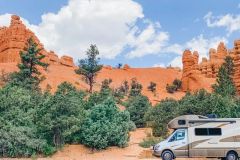 How to Plan an RV Road Trip Through the Southwest U.S.Learn how to plan an RV road trip through the Southwest U.S. with route ideas, camping advice, packing tips, safety planning, and expert travel strategies for an unforgettable adventure.
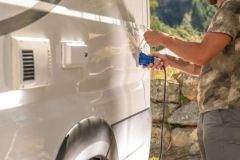 RV Essentials You Should Always Keep OnboardDiscover the RV essentials you should always keep onboard for safer and more comfortable trips. Learn which tools, supplies, and accessories every RV owner needs before hitting the road.
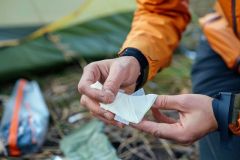 Essential First Aid Tips Every Camper Should KnowLearn essential first aid tips every camper should know, including injury prevention, emergency response steps, first aid kit preparation, and outdoor safety advice for every adventure.
 Campfire Coffee Brewing Methods Every Camper Should TryDiscover the best Campfire Coffee brewing methods for campers, from classic cowboy coffee to pour-over techniques, with expert tips for making great coffee outdoors.
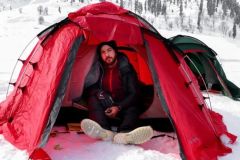 How to Maintain Comfort While Dry Camping in Cold WeatherLearn how to maintain comfort while dry camping in cold weather with practical insulation tips, gear strategies, real camping stories, and expert advice for safe winter outdoor adventures.
 Campfire Desserts Beyond S’mores: Easy Outdoor Treat IdeasDiscover creative Campfire Desserts That Go Beyond S’mores with easy, fun, and delicious outdoor recipes perfect for family camping nights and unforgettable fire pit moments.