What this guide helps you decide
Use the article to prepare questions, compare public listing details, and avoid choosing a campground from one headline, rating, or search result alone.
- Why Choose Lightweight Sleeping Pads?
- Top Lightweight Sleeping Pads for Backpackers
- How to Choose the Right Sleeping Pad for Your Needs
- Confirm seasonal access, amenities, fees, reservation rules, and availability with the campground.
- Compare more than one listing when the decision affects safety, cost, or travel time.
- Use public ratings and photos as signals, not guarantees.
- Why Choose Lightweight Sleeping Pads?
- Top Lightweight Sleeping Pads for Backpackers
- How to Choose the Right Sleeping Pad for Your Needs
- Common Mistakes to Avoid When Choosing a Sleeping Pad
- How to Maintain Your Sleeping Pad
Why Choose Lightweight Sleeping Pads?
For backpackers, every ounce counts. Whether you are hiking through rugged terrain or setting up camp at a remote site, your gear needs to be lightweight, durable, and functional. Sleeping pads, essential for comfort and insulation during outdoor adventures, are no exception. A lightweight sleeping pad offers numerous benefits for backpackers, such as saving space in your pack, reducing overall weight, and ensuring a restful night’s sleep. But choosing the right sleeping pad can be tricky with so many options on the market. In this article, we’ll cover the best lightweight sleeping pads for backpackers, factors to consider when purchasing one, and how to make the most out of your investment.
Top Lightweight Sleeping Pads for Backpackers
When selecting the best sleeping pad for your backpacking needs, you’ll want to look for comfort, portability, and warmth. Below are some of the top lightweight sleeping pads recommended by outdoor enthusiasts and experts:
1. Therm-a-Rest NeoAir Xlite
The Therm-a-Rest NeoAir Xlite is one of the most popular choices for lightweight backpacking. Weighing in at just 12 ounces, it provides an excellent balance of comfort and insulation. The pad’s unique design ensures durability and compactness, making it easy to pack and carry.
2. Sea to Summit Ultralight Sleeping Pad
Known for its superior comfort and minimal weight, the Sea to Summit Ultralight Sleeping Pad is ideal for long hikes. Its 2.5-inch thickness ensures a comfortable night’s sleep even on rough terrain, and it packs down to the size of a water bottle, making it an excellent choice for minimalist backpackers.
3. Nemo Tensor Insulated Sleeping Pad
The Nemo Tensor is a fantastic option for backpackers who value both lightweight design and warmth. It features a plush surface and excellent insulation properties. The R-value of 3.5 makes it suitable for three-season camping, and it comes in at only 14 ounces.
4. Exped SynMat UL 7
If you're looking for a sleeping pad that combines durability with comfort, the Exped SynMat UL 7 offers both. With an R-value of 3.1, it’s suitable for most seasons and provides excellent insulation from the cold ground. At just 14 ounces, it’s also incredibly lightweight for its performance.
5. Big Agnes Q-Core SLX
The Big Agnes Q-Core SLX strikes a balance between comfort and weight. Offering a comfortable 3.5-inch thickness and an R-value of 3.2, it is great for multi-season use. Weighing only 16 ounces, it’s a solid option for backpackers who prioritize a good night’s sleep.
How to Choose the Right Sleeping Pad for Your Needs
When it comes to choosing the best sleeping pad for backpacking, several factors need to be considered:
- Weight: The lighter the sleeping pad, the better. Look for options weighing under 1 pound to save valuable weight in your pack.
- Insulation: The R-value of a pad determines its insulation. For warm weather, a low R-value (1-2) will suffice, but for colder conditions, look for pads with an R-value of 3 or higher.
- Comfort: Comfort is key, especially after a long day of hiking. Look for pads that offer at least 2-3 inches of thickness for adequate cushioning.
- Packability: A good sleeping pad should easily compress into a small, lightweight package. Choose options that pack down to the size of a water bottle for easy storage in your pack.
- Durability: While lightweight is important, durability matters, too. Choose a pad made from durable materials that can withstand rough terrain and wear and tear over time.
Common Mistakes to Avoid When Choosing a Sleeping Pad
Choosing the right sleeping pad for backpacking can be overwhelming, especially with so many options available. Here are some common mistakes to avoid:
- Overlooking the R-Value: The R-value is crucial for ensuring you stay warm at night. Be sure to consider the temperature range of the environment you'll be in before choosing a pad.
- Choosing a Pad that’s Too Thin: While lightweight pads are tempting, comfort is essential. If a pad is too thin, it may not provide enough cushioning, leading to an uncomfortable night’s sleep.
- Ignoring Durability: While weight is important, make sure the pad is made from durable materials that will last multiple seasons of use.
- Forgetting the Size: Always check the dimensions of the pad to ensure it’s the right fit for your body and sleeping position. A too-short or narrow pad may leave you uncomfortable.
How to Maintain Your Sleeping Pad
To ensure your sleeping pad lasts for many camping trips to come, follow these simple maintenance tips:
- Keep it Clean: Wipe your pad down after each use to prevent dirt and oils from damaging the surface. Use mild soap and water, then allow it to dry fully before storing.
- Store Properly: Store your pad unrolled in a cool, dry place to maintain its shape. Avoid leaving it tightly packed for extended periods.
- Patch Any Damage: If you notice small punctures or leaks, repair them promptly with a repair kit to prevent further damage.
In conclusion, finding the right lightweight sleeping pad for your backpacking adventures is key to having a comfortable and restful sleep in the great outdoors. Consider the factors mentioned above and choose a pad that suits your needs. For more recommendations and expert advice, visit Camp Spotter, where you’ll find the best options for your next outdoor adventure.
Related Camping Guides
Keep reading if you are comparing destinations, amenities, access, reservation questions, or listing quality.
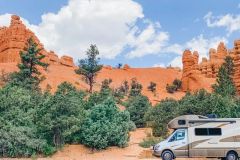 How to Plan an RV Road Trip Through the Southwest U.S.Learn how to plan an RV road trip through the Southwest U.S. with route ideas, camping advice, packing tips, safety planning, and expert travel strategies for an unforgettable adventure.
 RV Essentials You Should Always Keep OnboardDiscover the RV essentials you should always keep onboard for safer and more comfortable trips. Learn which tools, supplies, and accessories every RV owner needs before hitting the road.
 Essential First Aid Tips Every Camper Should KnowLearn essential first aid tips every camper should know, including injury prevention, emergency response steps, first aid kit preparation, and outdoor safety advice for every adventure.
 Campfire Coffee Brewing Methods Every Camper Should TryDiscover the best Campfire Coffee brewing methods for campers, from classic cowboy coffee to pour-over techniques, with expert tips for making great coffee outdoors.
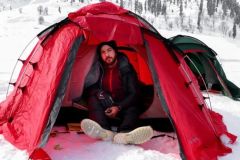 How to Maintain Comfort While Dry Camping in Cold WeatherLearn how to maintain comfort while dry camping in cold weather with practical insulation tips, gear strategies, real camping stories, and expert advice for safe winter outdoor adventures.
 Campfire Desserts Beyond S’mores: Easy Outdoor Treat IdeasDiscover creative Campfire Desserts That Go Beyond S’mores with easy, fun, and delicious outdoor recipes perfect for family camping nights and unforgettable fire pit moments.